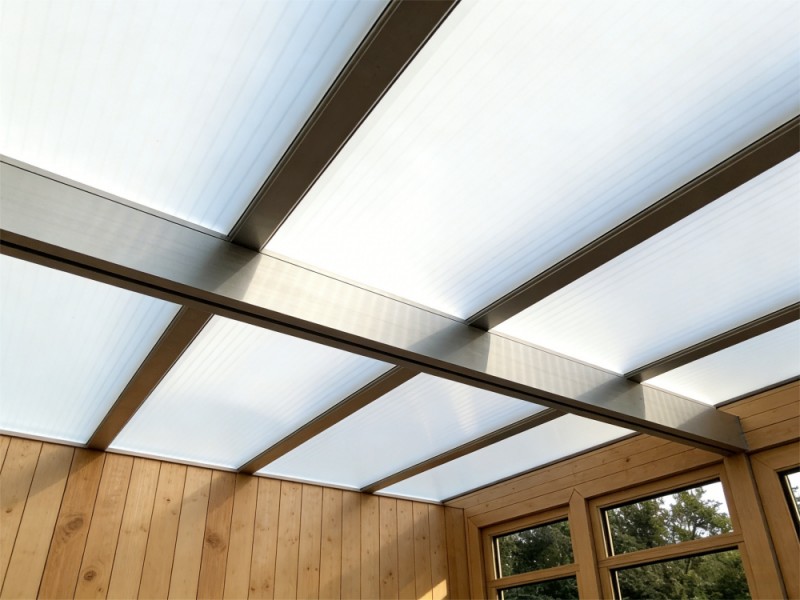
Comprehensive Analysis of Rain Canopy Materials (PC Hollow Sheet / PC Solid Sheet / Glass) and Structures (Arch / Flat Slope)
When selecting rain canopy materials and structures, core demands including durability, cost, and applicable scenarios need to be taken into account. The following provides a detailed analysis covering material pros and cons, costs, service life, as well as the differences between arch and flat-slope rain canopies, delivering clear references for selection.
I. Core Comparison of Three Rain Canopy Materials
1.1 Pros and Cons of Each Material
| Material Type | Advantages | Disadvantages |
|---|---|---|
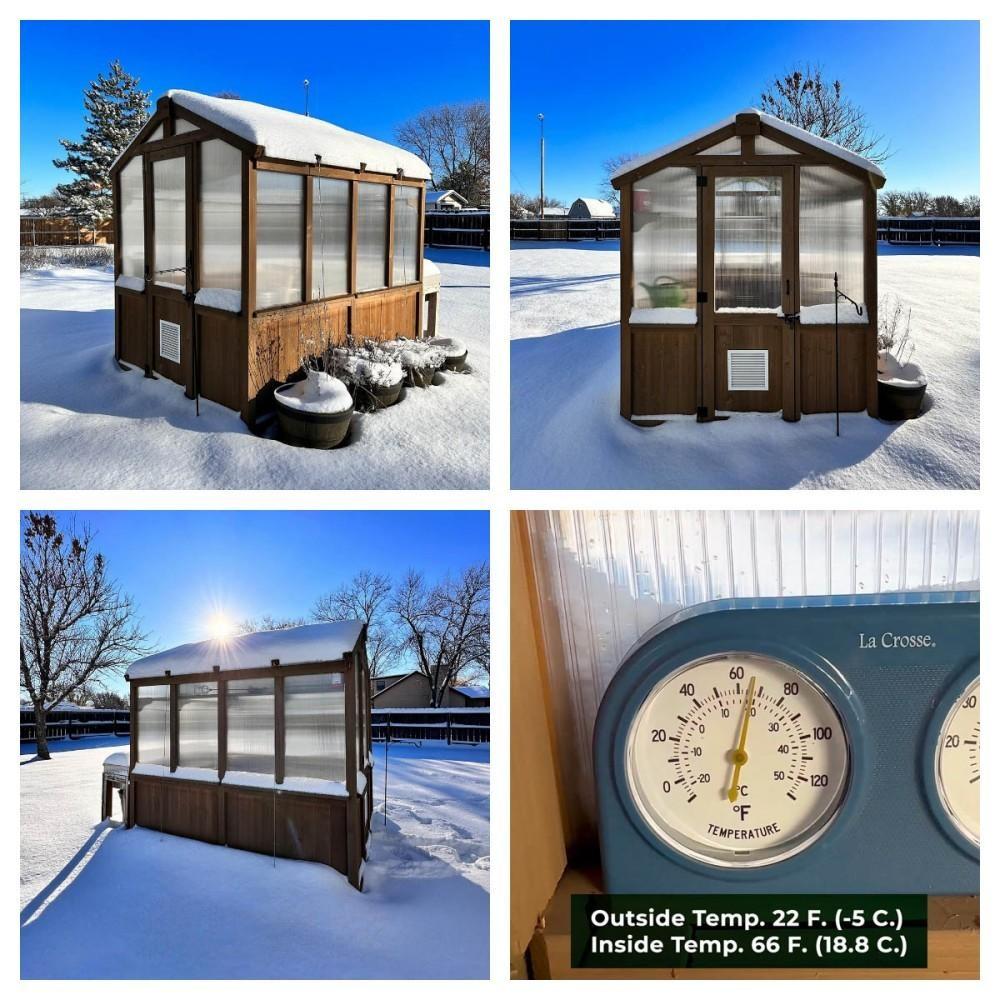
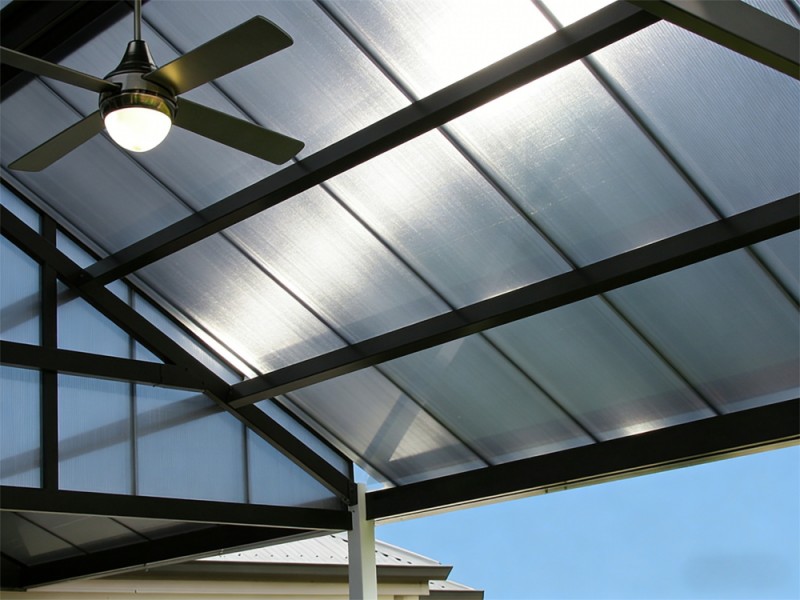
| PC Hollow Sheet | 1. Lightweight, easy to install with low load-bearing requirements for supporting structures; 2. Excellent impact resistance, 200 times stronger than glass, shatterproof with high safety; 3. Moderate light transmittance (80%-90%), soft glare-free light with partial UV filtration; 4. Good weather resistance, resistant to yellowing under long-term exposure, adaptable to temperatures ranging from -40℃ to 120℃; 5. Superior sound insulation and thermal insulation compared to glass, reducing rain impact noise and indoor temperature difference. | 1. Low surface hardness, prone to scratches by sharp objects, requiring regular cleaning and maintenance; 2. Risk of water ingress or dust accumulation inside hollow cavities with poor sealing, impairing light transmission and appearance; 3. Lower wind load resistance than PC Solid Sheet, requiring reinforced supports for large-span canopies. |
| PC Solid Sheet | 1. Superior physical performance, higher impact and tensile strength than PC Hollow Sheet, ideal for high-traffic areas; 2. UV-resistant coating available on surface for enhanced anti-aging performance with slow light transmittance attenuation over years; 3. Solid structure with reliable sealing, free of water ingress and dust buildup for low maintenance costs; 4. Strong wind and snow load resistance, suitable for large-span or high-rise outdoor canopies. | 1. Heavier than PC Hollow Sheet (about half the weight of glass), requiring slightly higher load-bearing capacity for mounting frames; 2. Higher unit price than PC Hollow Sheet with larger upfront investment; 3. Higher light transmittance than PC Hollow Sheet, causing stronger direct sunlight that may raise temperatures underneath in summer. |
| Tempered Glass (Main Type) | 1. High hardness and smooth surface with strong scratch resistance, nearly maintenance-free for daily use; 2. Ultra-high light transmittance (over 90%) and excellent visual permeability, perfect for scenarios prioritizing aesthetics; 3. High temperature resistance and stable long-term performance without yellowing or deformation; 4. High fire rating (non-combustible material), applicable to areas with strict fire safety standards such as shops and factories. | 1. Heavy weight (2.5kg/㎡ for 5mm thickness), requiring extra reinforced load-bearing structures and high installation costs; 2. Poor impact resistance, liable to break under external force with potential safety hazards (sharp fragments may form even after tempered glass shatters); 3. Weak sound and thermal insulation, loud noise from rain impact and fast heat conduction in summer; 4. Condensation may form in cold winter with rain, compromising user experience. |
1.2 Cost Analysis (10㎡ canopy, materials + installation included)
Exchange rate reference: 1 CNY ≈ 0.14 USD
| Material Type | Material Unit Price (USD/㎡) | Installation Fee (USD/㎡) | Auxiliary Materials (Brackets, weather sealant, etc.) | Total Cost for 10㎡ (USD) | Core Cost Features |
|---|---|---|---|---|---|
| PC Hollow Sheet (6-10mm thickness) | 11.2 – 21 | 7 – 11.2 | 28 – 42 (light-duty brackets sufficient) | 210 – 364 | Lowest cost, fit for budget-limited small-span scenarios such as balconies and entry canopies |
| PC Solid Sheet (3-8mm thickness) | 16.8 – 28 | 8.4 – 14 | 42 – 56 (moderate load-bearing brackets required) | 294 – 476 | Mid-range cost with high cost performance, for scenarios demanding durability like courtyards and storefront entrances |
| Tempered Glass (5-8mm thickness) | 21 – 35 | 14 – 21 | 70 – 112 (steel or aluminum reinforced brackets required) | 420 – 672 | Highest cost, mainly driven by load-bearing frames and installation, for high-aesthetic and high-safety scenarios such as villas and public zones |
1.3 Service Life Analysis
| Material Type | Theoretical Service Life | Factors Shortening Actual Service Life | Service Life Extension Tips |
|---|---|---|---|
| PC Hollow Sheet | 10-15 years | 1. Sealing workmanship: Poor sealing leads to water ingress and accelerated aging; 2. Maintenance frequency: Long-term dirt buildup blocks UV rays and shortens service life; 3. Environmental conditions: Corrosion prone near strong acid or alkali environments such as chemical plants. | 1. Select PC Hollow Sheet with factory-applied UV-resistant coating; 2. Clean 1-2 times annually and avoid contact with sharp objects; 3. Ensure tight sealing of joints during installation with weather-resistant sealant. |
| PC Solid Sheet | 15-20 years | 1. Coating quality: PC Solid Sheet without UV coating turns yellow within 3-5 years; 2. Installation method: Excessively wide bracket spacing causes deformation under long-term stress; 3. Frequent temperature alternation may loosen connections between sheets and brackets. | 1. Prioritize PC Solid Sheet with double-sided UV-resistant coating; 2. Limit bracket spacing within 1.2-1.5m (tighter spacing for large spans); 3. Inspect joints and reapply sealant before winter. |
| Tempered Glass | 20-30 years | 1. Edge treatment: Edge chipping during installation creates stress concentration and shortens lifespan; 2. Sealant aging: Failed sealant between glass and brackets allows rainwater to rust frames and destabilize glass indirectly; 3. Extreme weather: Severe typhoons or hail may directly break glass. | 1. Choose tempered glass with polished edges; 2. Replace sealant every 3-5 years; 3. Install guardrails or laminated tempered glass for high-rise or windy areas (prevents fragment falling after breakage). |
II. Comparison Between Arch Rain Canopy and Flat-Slope Rain Canopy
2.1 Structural Features & Applicable Scenarios
| Structure Type | Core Features | Applicable Scenarios |
|---|---|---|
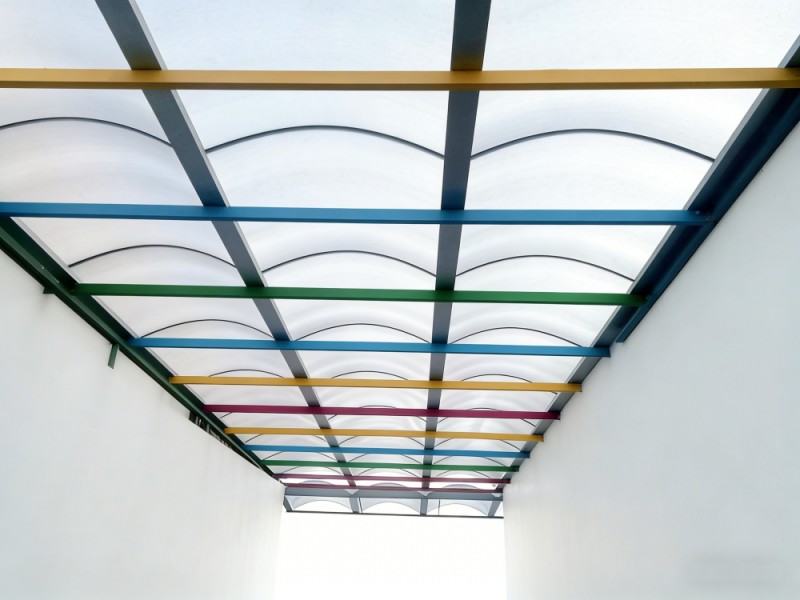
| Arch Rain Canopy | 1. Mechanically stable, curved surface disperses wind and snow loads with over 30% higher wind pressure resistance than flat-slope designs; 2. Excellent drainage, rainwater slides naturally along the curve with zero water accumulation risk; 3. Artistic appearance with soft curved lines, matching villas and courtyards with high aesthetic requirements; 4. Higher internal clearance without cramped feeling, suitable for pedestrian and vehicle passage underneath such as garage entrances and storefront facades. | 1. Windy and snowy regions (northern China, coastal cities); 2. Large-span canopies (span over 3m); 3. Scenarios requiring attractive appearance and ample internal vertical space, including villa entrances and courtyard leisure zones. |
| Flat-Slope Rain Canopy | 1. Simple structure with low fabrication and installation difficulty, 20%-30% shorter construction period than arch canopies; 2. Lower costs, no custom curved sheet processing and fewer auxiliary brackets; 3. Flat top surface allows additional installation of solar panels, lighting fixtures with strong functional expandability; 4. Minimalist visual style matching modern architecture such as apartment balconies and standard residential entryways. | 1. Small-span scenarios (span ≤2.5m, balconies, window awnings); 2. Budget-restricted projects pursuing cost efficiency; 3. Zones requiring extra equipment such as solar panels on terraces and rooftop canopies. |
2.2 Key Performance Differences
| Comparison Dimension | Arch Rain Canopy | Flat-Slope Rain Canopy |
|---|---|---|
| Wind Load Resistance | Excellent (curved surface diverts wind with low wind resistance) | Poor (flat surface bears direct wind impact, requiring denser brackets) |
| Drainage Performance | Superior (no standing water, no extra drainage gradient needed) | Fair (1%-3% drainage gradient mandatory to avoid ponding) |
| Fabrication & Installation Cost | High (extra processing fees for curved sheets, complex installation process) | Low (no sheet forming required, simplified installation steps) |
| Space Utilization Rate | High (tall interior with ample usable space underneath) | Low (fixed vertical height, cramped for wide spans) |
| Maintenance Difficulty | Low (no standing water reduces frame rust and sheet aging risks) | High (regular inspection of drain outlets to prevent water damage to sheets) |
III. Selection Recommendations
- Limited budget + small span (≤2.5m): Prioritize PC Hollow Sheet + flat slope, ideal for balconies and window awnies with low cost and convenient installation.
- Mid-range budget + durability requirements: Choose PC Solid Sheet + arch (windy areas) or PC Solid Sheet + flat slope (low-wind inland areas), suitable for courtyards and ground-floor storefront entrances.
- Sufficient budget + aesthetics + long service life demand: Choose tempered glass + arch (windy areas) or tempered glass + flat slope (for solar panel mounting), perfect for villas and public areas.
- Windy and snowy regions: Adopt arch structures regardless of material selection, to prevent flat-slope canopy damage from heavy snow and strong winds.
When choosing ceiling materials for sunrooms, consider the following factors:
- Budget: Polycarbonate sheets (PC Hollow Sheet, PC Solid Sheet) carry relatively lower prices for cost-sensitive users; tempered glass comes at a higher cost.
- Usage Needs: Tempered glass delivers superior light transmission for users prioritizing bright natural light; polycarbonate sheets (PC Hollow Sheet, PC Solid Sheet) are better for anti-impact safety requirements.
- Local Climate: Thermal insulation and waterproof performance are critical for hot or rainy regions.
In summary, polycarbonate sheets (PC Hollow Sheet, PC Solid Sheet) and tempered glass are mainstream sunroom ceiling materials with distinct advantages and disadvantages. Select based on your budget, functional demands and local climate conditions.
Rain Canopy Selection Decision Table
| Core Demand Category | Specific Demand Description | Recommended Material | Recommended Structure | Application Example | Reference Total Cost for 10㎡ (USD) | Service Life (Years) | Key Advantages |
|---|---|---|---|---|---|---|---|
| Budget Priority | Budget limited (within 420 USD) | PC Hollow Sheet (6-10mm) | Flat slope | Apartment balconies, window awnings, low-rise entry canopies | 210 – 364 | 10-15 | Lowest overall cost, easy installation with low load-bearing requirements |
| Mid-range budget (420 – 630 USD) | PC Solid Sheet (3-8mm) | Flat slope / Arch (span ≤3m) | Courtyards, ground-floor storefronts, terraces | 294 – 476 | 15-20 | Balanced cost performance, outstanding impact resistance and low maintenance cost | |
| Ample budget (over 630 USD) | Tempered Glass (5-8mm) | Arch (span ≥3m) | Villa entrances, high-rise shops, public areas | 420 – 672 | 20-30 | Premium aesthetic, scratch-resistant surface and stable long-term performance | |
| Environmental Condition Priority | Windy / snowy regions (Northern China, coastal zones) | PC Solid Sheet / Tempered Glass | Arch | Coastal villas, northern courtyards, high-rise terraces | 294 – 672 | 15-30 | Curved design disperses wind and snow loads with 30%+ higher wind pressure resistance than flat slopes |
| Low wind & rainfall inland plains | PC Hollow Sheet / PC Solid Sheet | Flat slope | Inland apartment balconies, low-rise shops | 210 – 476 | 10-20 | Simple construction with no extra reinforcement for extreme wind resistance | |
| Strong acid / alkali environment (chemical plants, industrial zones) | UV anti-corrosion coated PC Solid Sheet | Arch (optimal drainage) | Factory gateways, chemical plant walkways | 350 – 532 | 12-18 | Better corrosion resistance than PC Hollow Sheet; solid structure prevents liquid residue buildup | |
| Functional Demand Priority | Pedestrian / vehicle passage (garage entrances, store facades) | PC Solid Sheet / Tempered Glass | Arch | Villa garage entrances, street shop frontages | 350 – 672 | 15-30 | Spacious interior free of cramped feeling with strong load-bearing capacity |
| Extra equipment installation (solar panels, lighting) | Tempered Glass / PC Solid Sheet | Flat slope | Rooftop terraces, residential courtyards with power supply demand | 350 – 672 | 15-30 | Flat top surface facilitates fixture mounting with strong functional expandability | |
| High-traffic zones (adjacent children’s play areas, high-footfall walkways) | Thick PC Solid Sheet (≥5mm) | Flat slope / Arch | Community children’s zone canopies, mall entrance walkways | 392 – 532 | 15-20 | Top-tier impact resistance, shatterproof with maximum safety | |
| Performance Priority | High light transmission + soft diffused light (outside studies, leisure patios) | High-transmittance PC Hollow Sheet | Flat slope (span ≤2.5m) | Balconies outside studies, residential leisure terraces | 252 – 364 | 10-15 | 80%-90% light transmittance with UV filtration and glare-free illumination |
| Low maintenance (no time for regular cleaning) | Tempered Glass | Flat slope / Arch | High-rise residences, unattended public facilities | 420 – 672 | 20-30 | Smooth scratch-proof surface with almost zero daily maintenance | |
| High fire safety standards (catering shops, school entrances) | Fire-rated Tempered Glass | Flat slope / Arch | Restaurant storefronts, school building entrances | 490 – 700 | 20-30 | Non-combustible material meeting fire code standards and high temperature resistance | |
| Aesthetic Priority | Minimalist modern architecture (simple-style apartments, contemporary shops) | Clear Tempered Glass / Clear PC Solid Sheet | Flat slope | Minimalist apartment balconies, modern retail facades | 350 – 672 | 15-30 | Streamlined visual effect matching modern architectural styles |
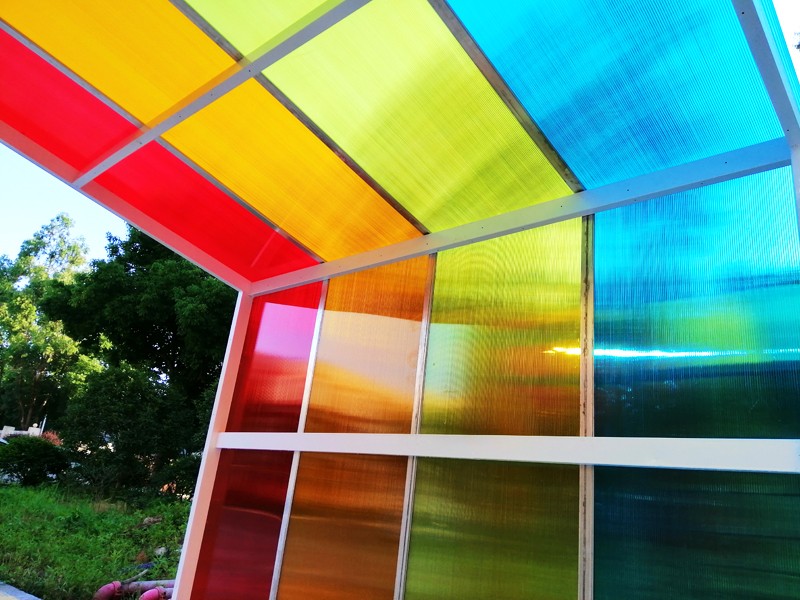
| Premium decorative design (villas, high-end clubs) | Ultra-clear Tempered Glass / Tinted PC Solid Sheet | Arch | Villa courtyards, luxury club entrances | 490 – 700 | 15-30 | Soft curved lines elevate the overall architectural style and visual appeal |