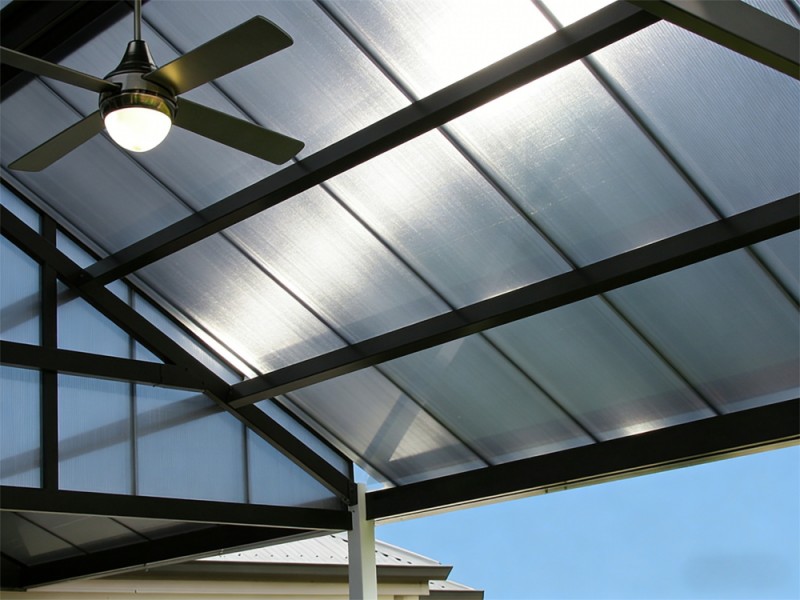
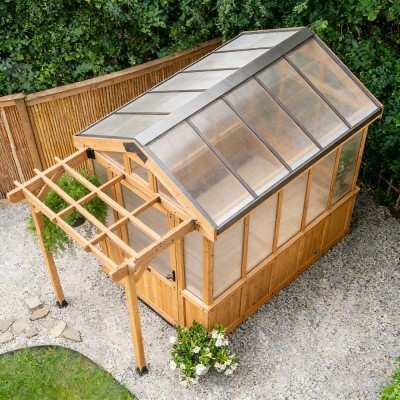
What is an anti-fog PC Hollow Sheet?
An anti-fog PC Hollow Sheet is a standard PC Hollow Sheet equipped with an extra anti-fog function. This anti-fog performance is achieved by coating the inner side of the sheet with a special coating made from liquid alcohol solvent. The coating is applied via roller coating and then cured at high temperature to firmly adhere to the inner surface of the PC Hollow Sheet.
Main Application Scenarios
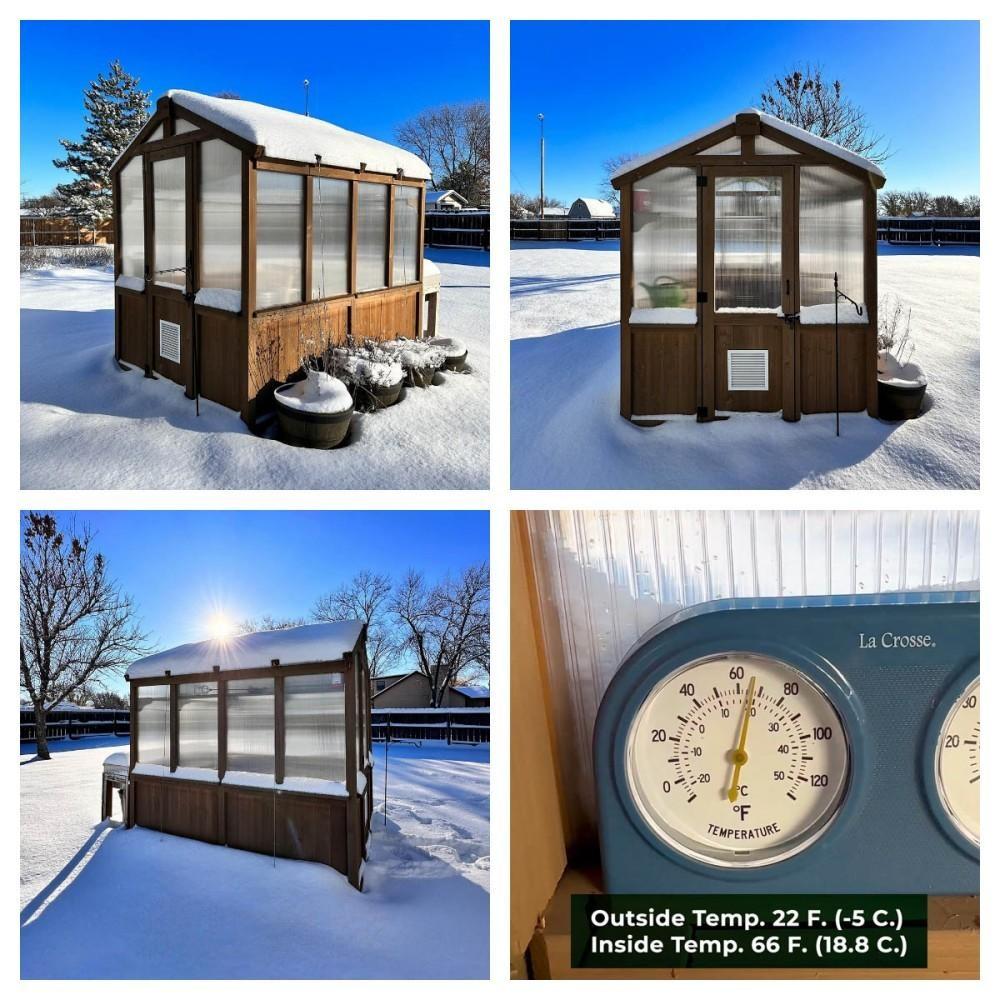
Anti-fog PC Hollow Sheets are primarily used in agricultural greenhouses and flower houses. In cold seasons, a large temperature difference forms between the interior and exterior of greenhouses, which causes water vapor to condense into droplets on the inner surface of PC Hollow Sheets. These water droplets block light transmission and may scald young plant buds when dripping down. Anti-fog PC Hollow Sheets perfectly solve this long-standing pain point of agricultural greenhouses, so they are widely favored by growers.
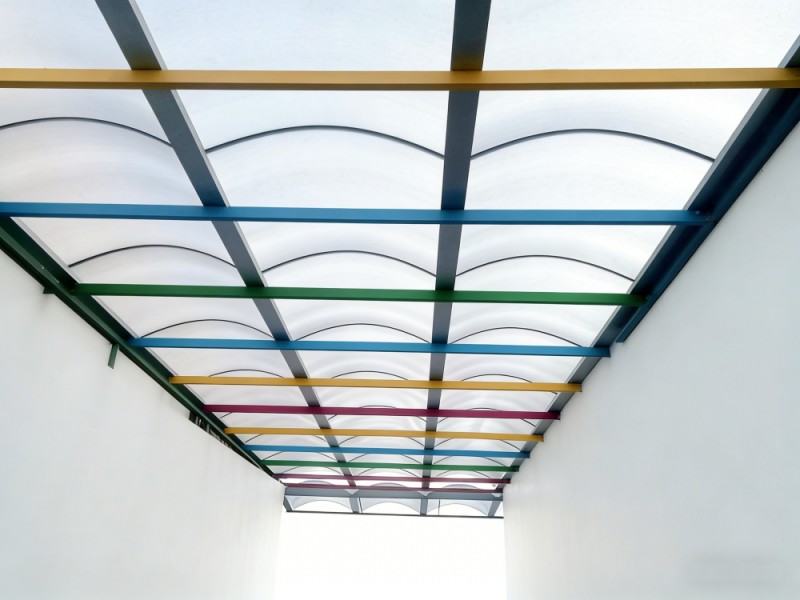
Anti-fog PC Hollow Sheets can be bent for arched installation, with the same minimum bending radius requirements as ordinary PC Hollow Sheets. You may refer to the guide “Can PC Hollow Sheets and Solid Polycarbonate Sheets Be Bent into Arches for Installation?” on the official website for detailed bending parameters.
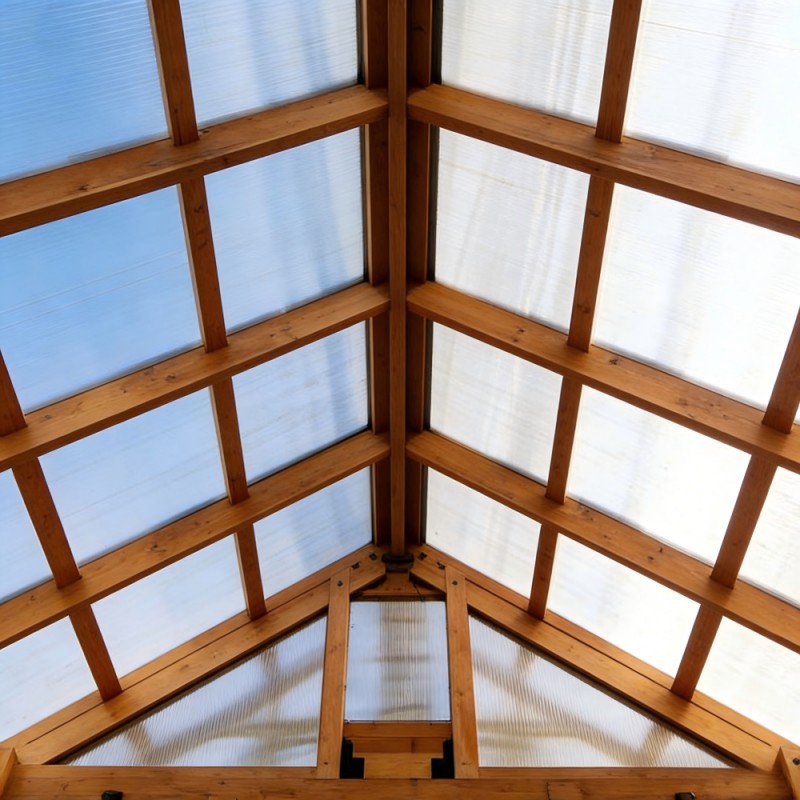
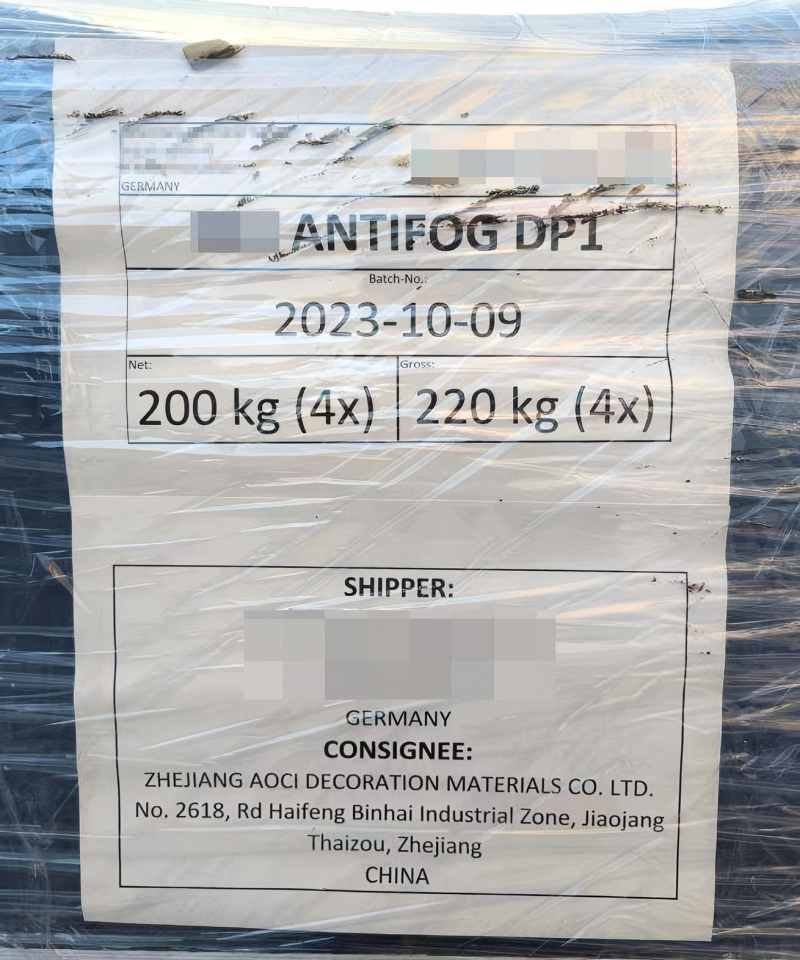
Technical Background of Anti-Fog PC Hollow Sheets for Greenhouses & Analysis of LANXESS ANTIFOG DP1
1. Technical Origin of Greenhouse Anti-Fog PC Hollow Sheets
1.1 Core Pain Points Driving Anti-Fog Technology Development
Traditional polycarbonate (PC) hollow sheets have a critical defect in greenhouse environments: water vapor condenses into fog droplets due to day-night temperature fluctuations. This phenomenon reduces light transmittance by 30% to 50%, severely restricting plant photosynthesis. Additionally, dripping fog droplets trigger leaf diseases and unbalanced soil humidity. This issue is especially severe in northern greenhouses with wide temperature swings and tropical flower sheds, pushing the R&D of specialized anti-fog coatings.
1.2 Evolution of Anti-Fog Technology
- Initial Research Phase (1960s–1990s)
Inspired by NASA’s Gemini Program, the first generation of anti-fog agents was developed in 1966 to eliminate fogging on astronaut helmet visors. Early anti-fog technology adopted surfactants to lower water surface tension and spread droplets into continuous water films. However, such coatings suffered poor durability, losing efficacy within only 3 to 6 months and failing to meet long-term greenhouse operation demands. - Coating Upgrade Phase (2000s–2010s)
The industry shifted to hydrophilic resin coating technology, utilizing UV curing to bond weather-resistant hydrophilic resins to PC sheet surfaces. This cut the water contact angle from 70° on standard PC sheets to below 30°, turning condensed fog into uniform water films that slide down the sheet ribs. German chemical giant LANXESS led major technical breakthroughs during this period and launched its ANTIFOG series dedicated coatings. - Integrated Multi-Function Phase (2010s–Present)
Anti-fog coatings are now co-extruded with UV anti-aging coatings to deliver three core benefits: permanent anti-fog performance, long-term UV resistance, and stable light transmission. When the UV coating reaches a thickness of 50 microns, the service life of PC Hollow Sheets can extend to over 10 years.
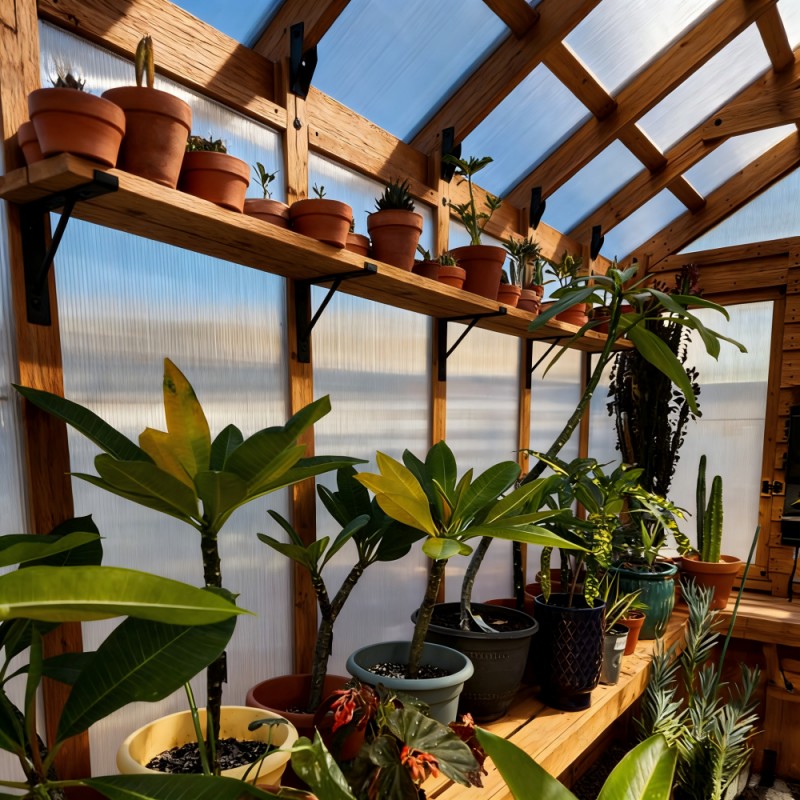
2. In-Depth Analysis of LANXESS ANTIFOG DP1 (Former Name: Antifog-DP1-1701)
2.1 Product Positioning & Core Technical Parameters
Developed exclusively for agricultural greenhouses, LANXESS ANTIFOG DP1 is a modified hydrophilic co-extrusion coating that must be compounded with virgin PC raw materials during sheet production. Its core indicators are fully optimized for greenhouse environments:
- Minimum anti-fog service life: 8 years (3–5 years for ordinary anti-fog coatings)
- Light transmittance retention rate: Initial transmittance reaches 90%, remaining above 85% after 5 years of use
- Operating temperature range: -40°C to 120°C, compatible with greenhouses in extreme climates
- Environmental compliance: Meets EU Regulation 10/2011 for food contact materials, safe for organic vegetable growing sheds
2.2 Technical Principles & Innovative Advantages
(1) Dual-Action Anti-Fog Mechanism
The composite formula combines hydrophilic resin and nano dispersants to deliver long-lasting anti-fog effects:
- The main chain of hydrophilic resin forms chemical bonds with the PC substrate, creating a permanently hydrophilic layer that rapidly spreads condensed water into thin films.
- Nano-sized dispersing particles (particle size ≤ 50 nm) are evenly distributed inside the coating to further reduce surface tension, preventing fog droplet formation even under 95% relative humidity.
(2) Synergistic Anti-Aging Design
The coating incorporates LANXESS proprietary PREVENTOL® antibacterial ingredients with broad-spectrum bactericidal performance similar to DP 1021. It inhibits algae and mold growth on the coating surface to avoid compromised anti-fog performance caused by biological contamination. Meanwhile, it works synergistically with the sheet’s UV coating to prevent UV radiation from destroying hydrophilic molecular groups.
(3) Optimized Compatibility with Production Processes
The online co-extrusion process forms the coating and PC substrate simultaneously, delivering 3 times higher adhesion than post-sprayed coatings. The finished sheet withstands frequent humidity shifts in greenhouses and high-pressure water washing without coating peeling.
2.3 Practical Economic Benefits for Greenhouse Operations
- Higher crop yields: Eliminating fog obstruction boosts photosynthetically active radiation by 25%. Flowering rates of light-sensitive varieties such as phalaenopsis and succulents increase by 15%–20%.
- Lower maintenance costs: Water films slide down sheet ribs into drainage troughs, reducing leaf diseases and cutting pesticide usage by 30%.
- Extended sheet service life: The combined anti-fog and UV coating system extends the service life of PC Hollow Sheets from 5–8 years (standard sheets) to 10–12 years.
3. Performance Comparison: LANXESS ANTIFOG DP1 vs Conventional Anti-Fog PC Hollow Sheets
| Comparison Item | LANXESS ANTIFOG DP1 | Ordinary Anti-Fog PC Hollow Sheet |
|---|---|---|
| Anti-fog coating type | Modified hydrophilic co-extruded coating | Ordinary surfactant coating |
| Effective service life | 8–10 years | 3–5 years |
| Anti-fog performance under high humidity | No fog droplets at 95% relative humidity | Local fogging occurs above 85% relative humidity |
| Light transmittance retention after 5 years | ≥85% | ≤70% |
| Anti-bacterial & anti-fouling capacity | Integrated PREVENTOL® antibacterial formula | No antibacterial function; prone to mold growth |
| Suitable application scenarios | High-end flower greenhouses, organic fruit & vegetable sheds | General vegetable greenhouses, temporary seedling shelters |
Standard Sizes of Anti-Fog PC Hollow Sheets
The anti-fog function is a universal optional add-on that works with all specifications and thicknesses of PC Hollow Sheets, with no size restrictions.
- Venlo-style commercial greenhouses commonly adopt 8 mm double-layer anti-fog PC Hollow Sheets, with a standard width of 2.1 meters and customized lengths tailored to greenhouse span dimensions.
- Domestic flower houses (mainly exported to supermarkets across Europe and America) usually use 6 mm double-layer anti-fog PC Hollow Sheets. All length and width dimensions are customized according to flower house designs with a dimensional tolerance of ±2 mm, supporting DIY assembly for household use. The downside of custom sizing is higher material waste and overall project costs.
Physical & Mechanical Properties of Anti-Fog PC Hollow Sheets
Anti-fog PC Hollow Sheets share identical physical and mechanical performance parameters with standard PC Hollow Sheets. For full reference data, please check the official document “Physical Performance Parameter Table for PC Hollow Sheets”.