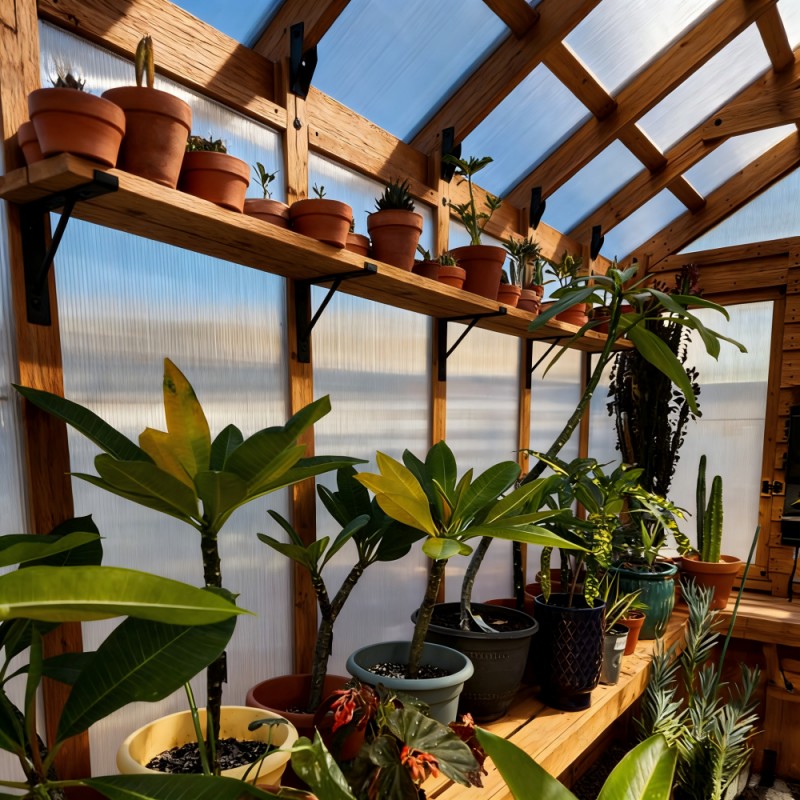
Application Performance Analysis of Polycarbonate Hollow Sheet in Greenhouses
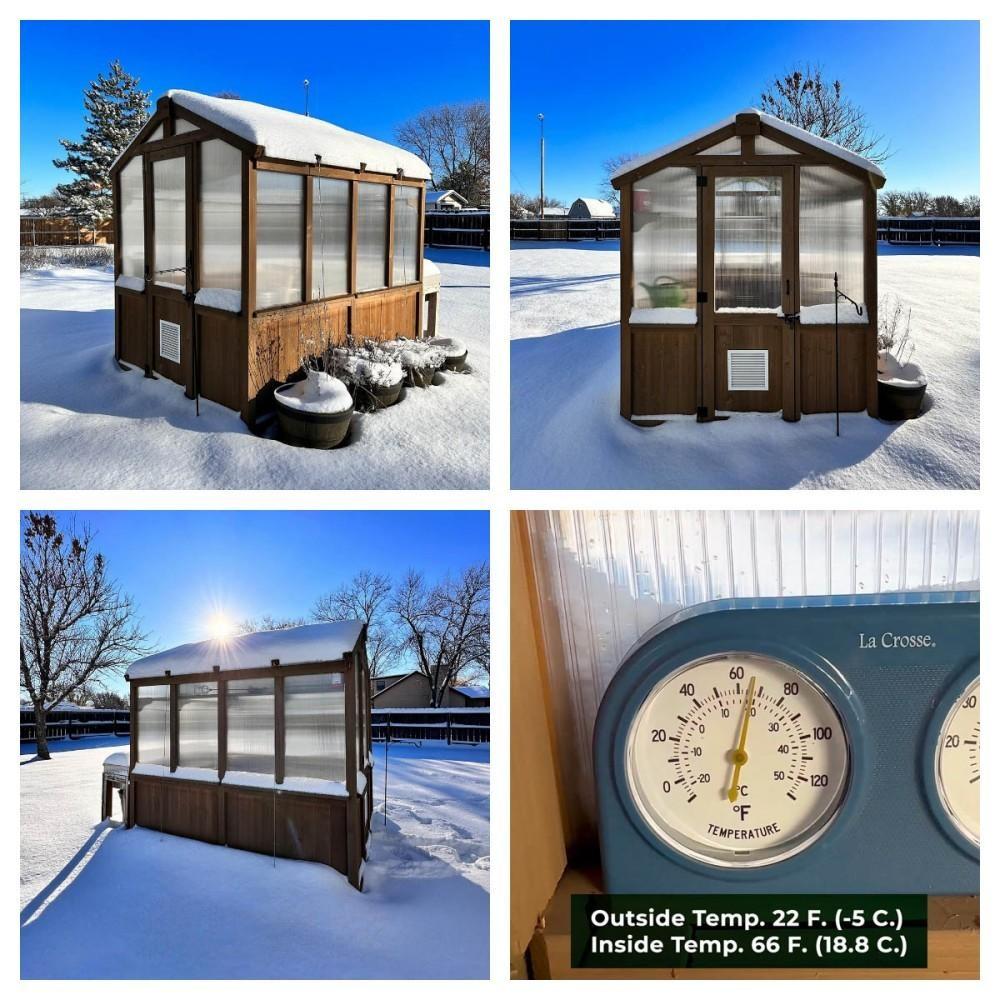
Greenhouses face severe environmental challenges including extremely low winter temperatures ranging from -20℃ to -40℃, heavy snowfall, drastic temperature fluctuations over 15℃ between day and night, and frequent sandstorms in spring. These harsh conditions impose strict requirements on covering materials in terms of weather resistance, thermal insulation and load-bearing capacity. Featuring unique structural and performance advantages, Polycarbonate Hollow Sheet has become one of the mainstream covering materials for greenhouses. Its practical application performance is analyzed from multiple dimensions as follows:
I. Compatibility Between Core Properties and Harsh Greenhouse Environments
1.1 Low-temperature Crack Resistance: Stable Performance Under Severe Cold
Extreme winter temperatures often drop below -25℃, causing ordinary plastic sheets to embrittle and crack easily. However, the brittle point of Polycarbonate Hollow Sheet reaches -135℃, far lower than the lowest ambient temperatures encountered. Even in alpine regions with temperatures as low as -40℃, the sheet maintains excellent toughness and structural stability.
In cyclic low-temperature tests (12 hours of freezing at -30℃ followed by 6 hours at room temperature of 25℃, repeated for 20 cycles), high-quality modified sheets with anti-freeze additives show no cracking or deformation, meeting year-round service demands.
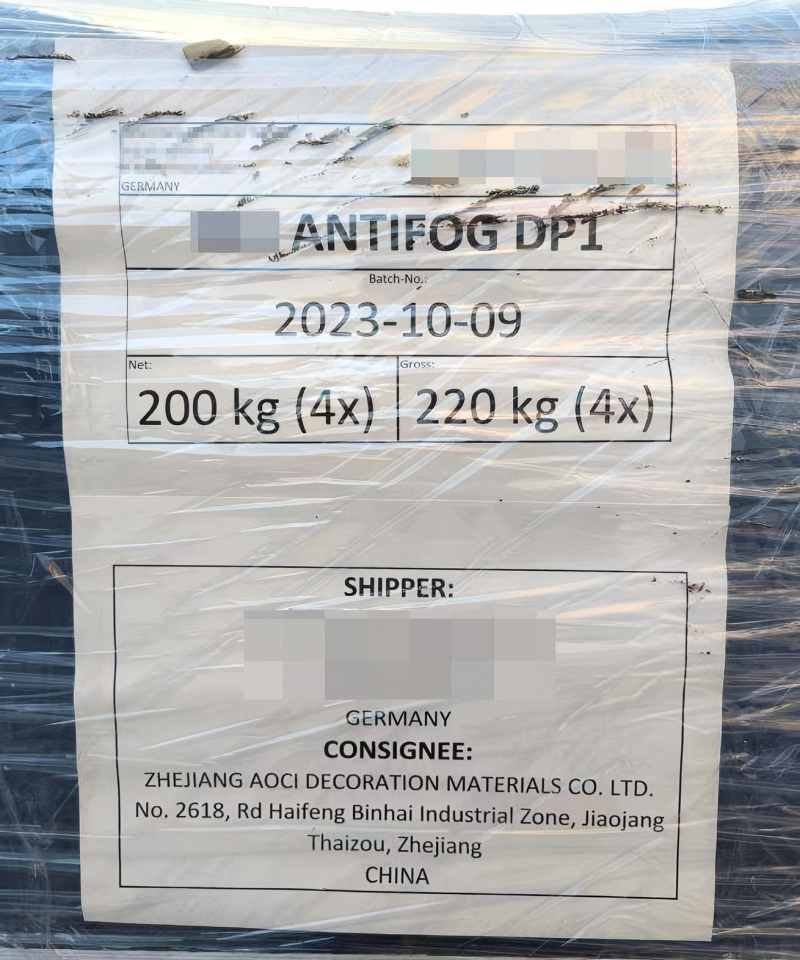
It should be noted that low-grade sheets made from recycled raw materials contain excessive impurities and tend to delaminate and crack under low temperatures. Greenhouse projects should prioritize sheets manufactured from virgin raw materials, such as varieties coated with Lanxess ANTIFOG DP1 coating.
1.2 Thermal Insulation: Reducing Energy Consumption and Stabilizing Indoor Temperature
Heating costs account for 30% to 50% of total operational expenses for greenhouses in cold seasons. The hollow structure of Polycarbonate Hollow Sheet (common thicknesses of 6mm, 8mm and 10mm, double-layer or triple-layer hollow structures) forms air insulation layers with a thermal conductivity of only 0.16–0.20 W/(m·K), far lower than single-layer tempered glass (0.8–1.0 W/(m·K)), delivering over 40% better heat retention.
For temperate zones, greenhouses covered with double-layer Polycarbonate Hollow Sheet maintain an indoor temperature 3–5℃ higher than glass greenhouses at night, cutting daily heating duration by 2–3 hours and drastically lowering coal or power consumption.
High-end sheets embedded with infrared barrier agents (nano ceramic particles) further block indoor heat radiation loss. In weather of -20℃, indoor temperature fluctuation can be controlled within ±2℃, creating a stable growing environment for crops including tomatoes, cucumbers and flowers.
1.3 Snow and Wind Load Resistance: Withstanding Extreme Weather Impacts
Heavy winter snow can weigh 20–50 kg per square meter, while spring often brings gales above Grade 8, setting high standards for load resistance of greenhouse covering materials. Polycarbonate Hollow Sheet boasts flexural strength of 90–110 MPa, with impact resistance 200 times that of glass. When matched with steel supports spaced 1.2–1.5 meters apart, it bears snow loads of 30–50 kg/㎡ (equivalent to 15–20 cm thick snow cover) and remains free of deformation or tearing under Grade 10 winds (wind speed 24.5–28.4 m/s).
For practical installation, the roof slope of greenhouses should be designed at 5°–10°, steeper than the 3°–5° used in milder regions, to accelerate snow sliding and avoid long-term snow accumulation that deforms sheets. Joints must be sealed with low-temperature resistant silicone sealant (operating temperature range: -50℃ to 150℃) to prevent water from melting snow from seeping in and freezing, damaging sheets and support frames.
1.4 Light Transmittance and Anti-fog Performance: Adapting to Low-light Conditions
Winter features short sunshine durations of only 6–8 hours and weak solar irradiance. Wide temperature gaps between day and night easily generate water vapor fog inside greenhouses, hindering crop photosynthesis. Premium Polycarbonate Hollow Sheet with anti-fog coating achieves initial light transmittance of 80%–90%, close to glass levels. The hydrophilic anti-fog coating technology (dual-effect protection of Lanxess ANTIFOG DP1) spreads fog droplets into a continuous water film sliding down the sheet surface, keeping the interior fog-free even under 95% relative humidity and ensuring sufficient photosynthetically active radiation in winter.
In contrast, sheets without anti-fog coatings lose 30%–50% light transmittance due to fog droplet coverage. Coated sheets retain over 85% light transmittance after 5 years of service, raising fruit set rates of tomatoes and strawberries by 15%–20% and shortening the flowering cycle of ornamental plants by 5–7 days.
II. Core Advantages and Limitations in Practical Application
2.1 Key Application Advantages Matching Greenhouse Requirements
- Lightweight structure cuts construction costs
Polycarbonate Hollow Sheet weighs merely 1/12 of glass (6mm sheet: approx. 1.2 kg/㎡; 5mm tempered glass: approx. 12.5 kg/㎡). It eliminates the need for heavy steel support frames required for glass greenhouses, reducing frame costs by 30%–40%. Installation is more convenient, shortening construction periods by 20%–30% compared with glass greenhouses and supporting rapid construction or renovation in cold seasons. - Weather and sand abrasion resistance lowers maintenance frequency
Frequent spring sandstorms call for robust UV-resistant coatings on sheet surfaces. When the UV coating thickness exceeds 50 microns, it prevents UV-induced aging and extends service life to 10–15 years (uncoated low-grade sheets only last 5–8 years). The smooth surface repels sand dust and can be cleaned easily with water or high-pressure spray guns, minimizing maintenance work in cold weather. - Customizable cutting fits diverse greenhouse structures
Greenhouses include sunlight greenhouses and multi-span greenhouses, and Polycarbonate Hollow Sheet can be cut to custom sizes with maximum length of 6 meters. Fewer joints reduce heat loss and water leakage risks. Curved sections such as the rear roof of sunlight greenhouses and gutters of multi-span greenhouses can be covered with flexible sheets with a minimum bending radius equal to 175 times the sheet thickness, improving thermal insulation and wind resistance.
2.2 Common Limitations and Corresponding Solutions
- Limitation 1: Low surface hardness vulnerable to sand scratch damage
Polycarbonate Hollow Sheet has a surface hardness of HB grade, much lower than glass’s 6H grade. High-speed sand particles carried by spring winds scratch the surface and reduce light transmittance.
Solutions: Select sheets with polysiloxane wear-resistant coatings (hardness up to 2H grade); install windbreak nylon nets at windward sides to block over 70% of sand grains; clean surfaces with soft cloth or sponges instead of hard brushes. - Limitation 2: High indoor humidity triggers mold growth in winter
Greenhouses operate in closed states for heat preservation in cold seasons, with indoor relative humidity reaching 85%–95%. Sheets without antibacterial treatment develop mold, impairing light transmission and sanitation.
Solutions: Choose sheets integrated with Lanxess PREVENTOL® antibacterial agents that inhibit over 90% of mold strains including Aspergillus niger and Penicillium; open top and side windows for ventilation for 30–60 minutes at noon to reduce indoor humidity. - Limitation 3: Gradual light transmittance attenuation over long-term use
Low-grade sheets made from recycled materials without UV coatings undergo severe aging under alternating strong UV radiation and low temperatures, dropping light transmittance below 50% after 3–5 years and restraining crop growth.
Solutions: Specify virgin-material sheets with UV coatings thicker than 50 microns, and request supplier test reports guaranteeing a minimum 80% light transmittance retention after 5 years; clean sheet surfaces annually in spring to remove dust and mold deposits and mitigate transmittance loss.
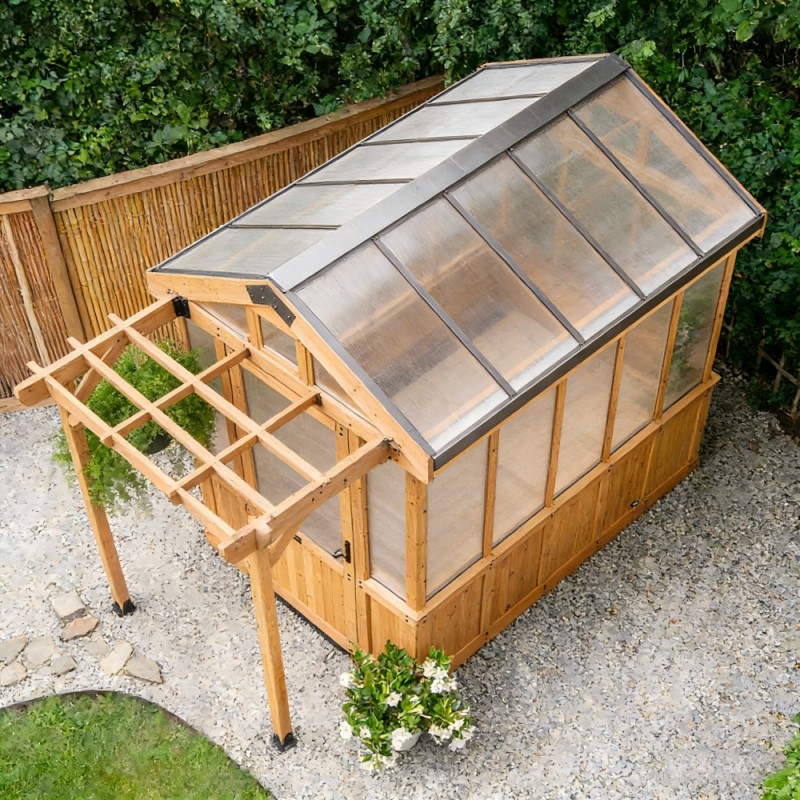
III. Selection and Installation Guidelines for Polycarbonate Hollow Sheet in Greenhouses
3.1 Key Selection Standards for Cold-climate Greenhouses
| Selection Indicator | Recommended Standard | Reasoning |
|---|---|---|
| Sheet Thickness | Double-layer hollow: 8mm–10mm; Triple-layer hollow: 10mm–12mm | Thicker sheets deliver superior thermal insulation and snow load resistance for cold and snowy environments |
| UV Coating Thickness | ≥50 microns | Resists intense ultraviolet radiation and extends service life |
| Anti-fog Coating | Hydrophilic anti-fog coating (Lanxess ANTIFOG DP1 technology) | Eliminates fogging caused by large diurnal temperature differences and maintains stable light transmittance |
| Operating Temperature Range | -40℃ to 120℃ | Adapts to frigid winters and indoor temperatures exceeding 60℃ in summer |
| Snow Load Rating | ≥30 kg/㎡ | Supports 15–20 cm thick snow cover and prevents sheet deformation |
3.2 Installation Tips Adapted to Cold Climates
- Support Spacing Control
For 8mm double-layer Polycarbonate Hollow Sheet, support spacing shall not exceed 1.2m; for 10mm triple-layer sheets, spacing shall not exceed 1.5m to guarantee snow load capacity. Hot-dip galvanized steel pipes are preferred for supports to resist corrosion from snow and low temperatures, replacing ordinary carbon steel prone to rust. - Low-temperature Installation Precautions
When installing in cold weather, store sheets indoors for over 24 hours to equalize sheet and ambient temperatures, avoiding deformation from thermal expansion after installation of cold sheets. Sealant construction requires ambient temperatures above 5℃; preheat sealant to 15–20℃ for secure adhesion if temperatures drop below 5℃. - Routine Maintenance Plan
- Before annual snowfall: Inspect fastenings between sheets and supports, clear debris from gutters to ensure unobstructed drainage.
- After spring sandstorm seasons: Clean sheet surfaces with neutral detergent (diluted dish soap) to remove sand and mold and restore light transmittance.
- Every 3–5 years: Replace aged joint sealant to prevent water leakage.
IV. Comparison with Other Covering Materials: Why Polycarbonate Hollow Sheet Is the Preferred Choice
| Covering Material | Polycarbonate Hollow Sheet | Tempered Glass | PO Plastic Film |
|---|---|---|---|
| Low-temperature Resistance | Excellent (brittle point -135℃) | Moderate (prone to cracking below -20℃) | Poor (aging and cracking below -10℃) |
| Thermal Insulation | Excellent (thermal conductivity 0.16–0.20 W/(m·K)) | Poor (0.8–1.0 W/(m·K)) | Moderate (0.25–0.30 W/(m·K), easy to rupture) |
| Snow Load Resistance | Moderate (30–50 kg/㎡) | Excellent (50–80 kg/㎡) | Poor (10–15 kg/㎡, easily broken by snow weight) |
| 5-year Light Transmittance Retention | Moderate (≥85% with anti-fog coating) | Excellent (≥90%) | Poor (≤70% after 1 year) |
| Service Life | 10–15 years | 20–30 years | 1–3 years |
| Total Construction Cost (Material + Installation) | Moderate: $21.5–$36 per square meter | High: $43–$64.5 per square meter | Low: $4.3–$7.2 per square meter |
From the comprehensive operational demands of greenhouses, glass offers superior weather resistance and load capacity but carries excessive costs and heavy weight, suitable only for high-end sightseeing or permanent greenhouses. Plastic film features low upfront costs yet suffers short service life and weak insulation and snow resistance, limited to temporary seedling sheds. Polycarbonate Hollow Sheet strikes an optimal balance among cost, thermal insulation, weather resistance and installation efficiency, making it the top covering material for commercial greenhouses growing vegetables and flowers.
Introduction of Venlo-type Greenhouse Structure
We first analyze the structure of Venlo-type greenhouses, which feature pointed roofs optimized at approximately 134° to achieve the optimal solar incidence angle. The pointed roof design restricts top covering materials to rigid options including Polycarbonate Hollow Sheet or glass.
Advantages of Polycarbonate Hollow Sheet for Greenhouse Projects
- UV Resistance
The surface of this polycarbonate sheet undergoes professional UV treatment with UV coatings thicker than 50 microns permeating the sheet exterior. It maintains long-term impact resistance and anti-aging performance while minimizing light transmittance loss. - Anti-dripping Function
Special single-sided coating decomposes condensed water droplets forming on sheet surfaces effectively, eliminating indoor dripping issues. - Superior Thermal Insulation
Outstanding heat insulation performance cuts energy consumption for lighting and heat preservation by up to 50% compared with traditional daylighting materials. - High Impact Resistance
It is a safe, high-impact daylighting material with superior damage resistance against storms, hail and snow accumulation compared to alternative greenhouse materials, reducing frequent replacement expenses. Drop-weight impact test: A 10kg weight dropped from a height of 2 meters leaves no cracks or fractures on the sheet. - Fire Safety
It delivers reliable flame retardancy, meeting international fire safety standards with Class B1 flame retardant rating, making it safer than other plastic materials for greenhouse use. - Easy Construction
Lightweight for convenient transportation and installation. It can be cold-bent into curved shapes with a minimum bending radius equal to 175 times the sheet thickness, retaining intact appearance long-term. - Long-term Durability
After 4,000 hours of artificial accelerated weathering test, the yellowing index is only 2 with light transmittance reduced by merely 0.6%. - Ultra-light Weight
Weighs 1/15 of glass of equal thickness, at approximately 1,500 g/㎡. - Coefficient of Thermal Expansion
7.0×10⁻⁵ m/m℃
In plain terms, Polycarbonate Hollow Sheet features light weight and excellent thermal insulation, making it ideal for greenhouse roofs in cold, snowy regions. It also provides high safety during both installation and long-term operation. In recent years, quality issues with inferior sheets have raised doubts among growers, but reliable performance is guaranteed by sheets manufactured by established professional factories.
Polycarbonate Hollow Sheet delivers outstanding performance in greenhouse applications supported by its comprehensive material advantages. Detailed breakdown of its functional strengths is listed below:
1. Ultraviolet Resistance
Surface UV treatment blocks ultraviolet penetration and protects greenhouse crops from UV damage, a critical advantage under intense solar radiation. This treatment also preserves long-term impact and anti-aging properties of the sheet.
2. Anti-condensation Performance
Wide temperature gaps easily generate condensation inside greenhouses. The sheet’s specialized single-sided coating breaks down surface water droplets effectively, maintaining a dry indoor environment favorable for crop growth.
3. Thermal Insulation Performance
It reduces heating and cooling energy consumption by roughly 50% versus traditional daylighting materials. In cold seasons, it stabilizes indoor temperatures and cuts heating costs; in hot summers, it blocks external heat inflow and lowers internal temperatures to create ideal crop growing conditions.
4. Impact Resistance
As a high-safety impact-resistant daylighting material, it remains intact under severe storms and small hail, sustaining stable performance under harsh climate conditions.
5. Flame Retardancy
Class B1 flame retardant rating compliant with international fire codes enhances greenhouse safety, especially critical in dry cold seasons with elevated fire risks.
6. Convenient Construction
Light weight simplifies transportation and installation. It supports cold bending with a minimum bending radius equal to 175 times sheet thickness and maintains perfect appearance for years, lowering construction difficulty and labor costs.
7. Long Service Life
Polycarbonate Hollow Sheet passes 10,000 hours of artificial accelerated weathering testing, delivering stable performance over extended service cycles and long-term protection for greenhouses.