A Complete Guide to Polycarbonate Sheets: Everything You Need to Know
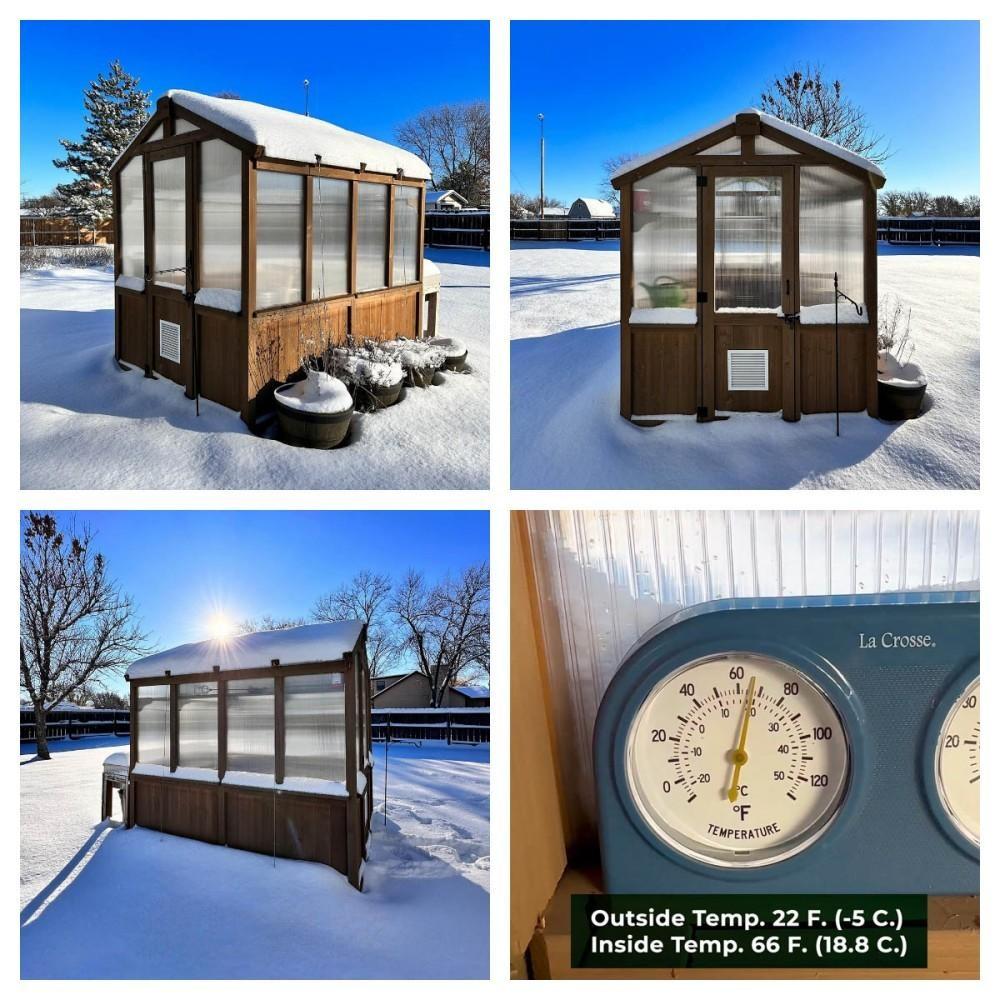
Polycarbonate Sheets have a history of more than 20 years in China. Due to their high transparency, high strength, light weight, good thermal insulation, and easy installation, they are widely used in agricultural greenhouse projects. Over the years, through the efforts of professional R&D personnel, Polycarbonate Sheets have achieved many improvements in structural form, and realized leapfrog improvements and innovations in quality and performance.
What is a Polycarbonate Sheet?
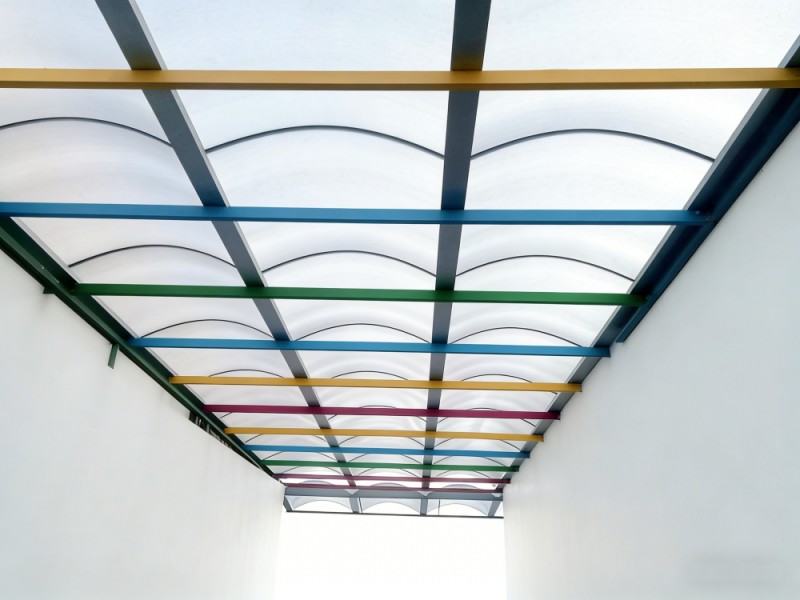
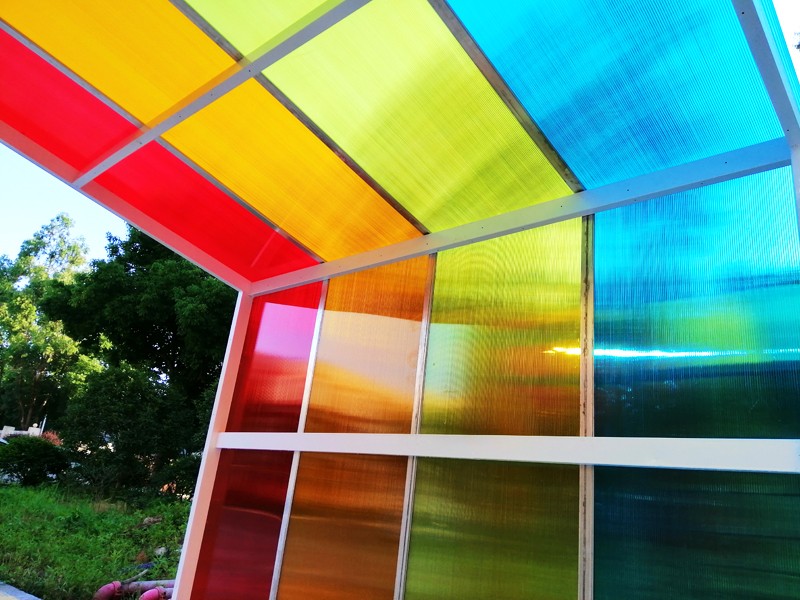
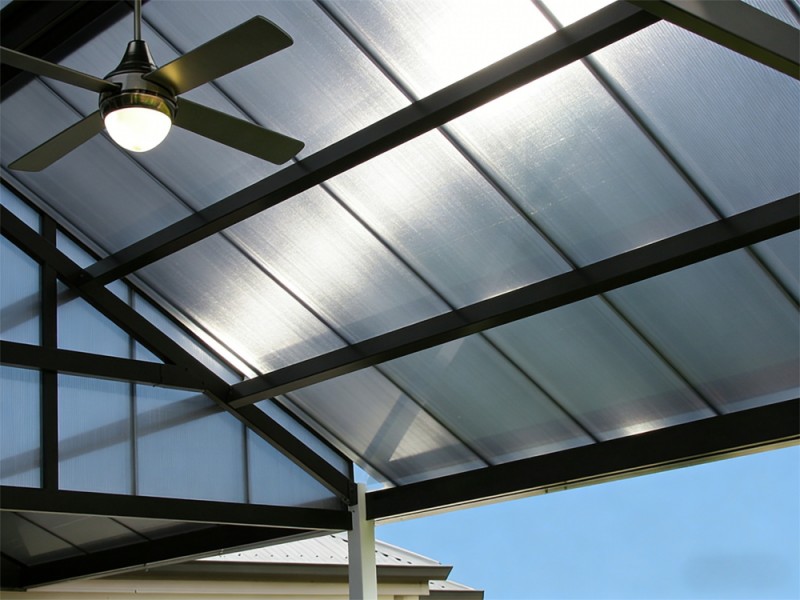
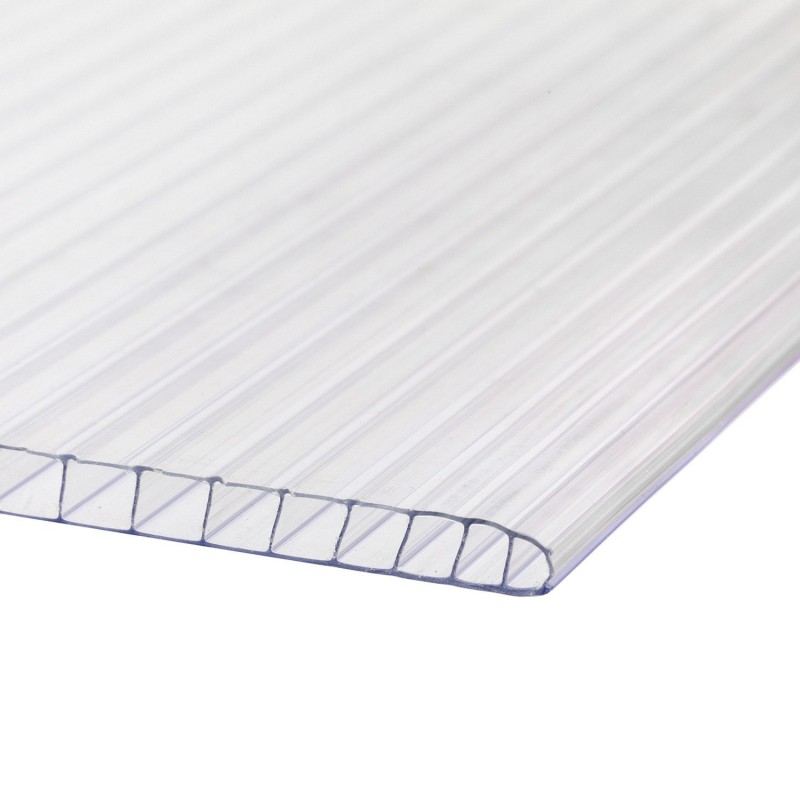
Polycarbonate (PC) sheets are divided into solid sheets and hollow sheets. Hollow sheets (also known as Polycarbonate Sheets) are double-layer or multi-layer hollow sheets processed with high-performance polycarbonate (PC) resin as the main raw material. They are plastic sheets with excellent comprehensive performance, energy saving and environmental protection. As a widely used building lighting material in the world, they are extensively applied in building roofs, curtain walls, lighting roofs of stadiums, airports and railway stations, sunshades, agricultural greenhouses, flower markets, automobile advertising light boxes, architectural decorations and other fields.
Advantages and Disadvantages of Polycarbonate Sheets
Polycarbonate Sheets have the following characteristics: high impact strength, superior to glass, no risk of breakage; light weight, 1/10 of insulating glass, greatly reducing the bearing capacity of steel structures; good thermal insulation performance, with the structural function of insulating glass; simple installation and manufacturing, cold bending forming, facilitating improved design and installation shapes; high light transmittance that does not affect the light required for plant growth. In recent years, in practical applications, builders’ willingness to use PC hollow sheets as greenhouse covering materials has been declining. The main reasons are: the light transmittance of PC Polycarbonate Sheets attenuates too fast; yellowing and embrittlement are prominent; their service life is much lower than that of glass. According to a global survey, there are few application cases that have been used for 10 years. Generally, they start to turn yellow and brittle in as short as 3-4 years and as long as 5-6 years, requiring replacement. After 10 years of greenhouse use, replacement is needed 1-2 times, which almost increases the use cost of the greenhouse.
Performance Evaluation Methods and Indicators
Aging resistance, light transmittance and yellowing rate are the key factors determining the quality of Polycarbonate Sheets. Aging resistance determines the service life of Polycarbonate Sheets.
Aging Resistance
As we all know, the aging of organic chemical materials is mainly affected by ultraviolet radiation and the stability of the materials themselves. To ensure the aging resistance of PC sheets and the stability of raw materials, it is necessary to do a good job in the UV protection layer on the surface of the sheets.
Stability
The stability of raw materials depends on two aspects:
- The quality of the raw materials themselves (whether recycled materials are added)
- Additives used to improve the physical properties of different raw material formulas
UV Resistance Technology
UV protection treatment technology directly affects the service life of Polycarbonate Sheets. The specific methods of the UV protection layer on Polycarbonate Sheets are technically analyzed as follows:
At present, there are three types:
(1) The surface of the Polycarbonate Sheet is coated with UV absorber, and a low concentration of UV absorber is added to the PC raw material. The UV resistance durability under this process is poor.
(2) Online extrusion UV resistance technology. A general concentration of 5%~7% UV absorber is added to the PC raw material, and a 30~50μm thick UV absorber layer is extruded on the surface of the PC sheet. Under this process, the UV resistance effect of the PC sheet is further improved. However:
2.1 The concentration of UV absorber in PC raw materials cannot be too high, so it is impossible to ensure that 100% of ultraviolet rays are not transmitted.
2.2 UV absorbers have their own quality and life cycle limitations, which determine that the aging resistance of PC sheets still cannot be guaranteed.
2.3 The UV absorber in a certain thickness of the UV-resistant extruded layer will have an adverse effect on the molecular structure of the PC raw material. In severe cases, the molecular chain of the PC raw material will break, the sheet will become brittle, and the impact strength will decrease. The above defects are the bottlenecks for improving the long-term light transmittance and service life of Polycarbonate Sheets.
(3) Chemical plating UV resistance and thermal curing technology. In the 1990s, General Electric developed a new UV resistance process technology – chemical plating UV resistance and thermal curing technology. This new technology thermally cures the chemical coating composed of high-stability UV-absorbing materials and inherent weather-resistant materials on the surface of the Polycarbonate Sheet to ensure weather resistance and minimal yellowing; it overcomes the huge differences in weather resistance of different types and concentrations of UV absorbers used in extrusion technology. The emergence of this new technology has broken through the bottleneck in the development of UV resistance technology for organic chemical materials, greatly extended the service life of Polycarbonate Sheets, and is an innovation and leap in Polycarbonate Sheet production technology.
Functionally, the birth of this new process technology has enabled the realization of various additional functions of Polycarbonate Sheets. That is, through the chemical plating process technology, many non-conductive functional materials can be added to the Polycarbonate Sheet, such as quartz coating to improve the hardness and wear resistance of the sheet surface; anti-dripping coating to thermally cure the anti-dripping layer on the sheet surface, which is not easy to fall off and extends the service life of the anti-dripping layer; UV and infrared resistant coatings; double-sided UV resistant coatings; dustproof and easy-to-clean functional coatings. Chemical plating technology improves and enhances the performance and additional functions of Polycarbonate Sheets. The sheets produced by this UV resistance technology block 100% of ultraviolet rays, improve the flatness and smoothness of the Polycarbonate Sheet surface, and enhance the optical performance of the sheet. It is a multi-layer hollow sheet without visual distortion or deformation. If used as a greenhouse facade, it has good visual permeability.
Firstly, comparing the UV resistance of chemical plating and extruded layers, there are many factors affecting the UV resistance of PC sheets: different concentrations of UV absorbers themselves;
Secondly, the service life of UV absorbers varies;
Thirdly, the quality level of UV absorbers is different; Fourthly, due to equipment limitations, the uniformity of mixing UV absorbers into PC raw materials and extrusions will vary.
Therefore, the UV resistance effect of the extrusion UV resistance process varies greatly. UV absorbers themselves should be colorless and transparent. It is unscientific to determine the UV resistance function of the sheet by observing the color of the UV-resistant extruded layer with the naked eye.
Light Transmittance and Yellowing Rate
The light transmittance of Polycarbonate Sheets depends on the following factors:
- Pure raw materials: select the best, new and high light transmittance raw materials.
- The light transmittance of various additives should be greater than 98%.
- The extruded sheet should have high flatness and surface smoothness.
The light transmittance of Polycarbonate Sheets is an important condition for greenhouse lighting. For greenhouses, the cost ratio of roof lighting materials is not large, but it is very important for the image and appearance of the greenhouse; it is an important embodiment of the application value of greenhouse lighting. The beneficiaries of greenhouses are plants that need temperature and sunlight; the main requirement for greenhouse covering materials is light transmittance.
Aging resistance tests on different products show that products without UV-resistant extruded layers will age, generally not exceeding 3 years. The service life of products with UV-resistant extruded layers is greatly improved, which can be extended to 10 years with a yellowing index ΔYi not exceeding 10; UV-resistant Polycarbonate Sheet products have a yellowing index ΔYi not exceeding 3 and a light transmittance attenuation not exceeding 10% within 10 years.
Product yellowing means a decrease in light transmittance and the start of product aging. Therefore, improving the aging resistance of products, reducing the yellowing rate of products, and maintaining good light transmittance of products are the key goals of product research and development.
If Polycarbonate Sheets can maintain good light transmittance and stable mechanical stability for a long time, they are superior to ordinary insulating glass in other aspects and are an excellent greenhouse lighting covering material.
Conclusion
Polycarbonate Sheets are a good choice for greenhouse roof lighting materials. Like other products, there are quality differences among Polycarbonate Sheets. Product selection is an important link to ensure the quality of greenhouse projects.
Advanced science and technology and strict craftsmanship are the only guarantees for product quality. This requires practitioners to adopt a scientific attitude towards product selection; use scientific methods for product analysis, conduct scientific analysis on product quality, implement product guarantees into specific data, and compare product prices in terms of performance and value. In this way, you are responsible for yourself, your customers and the project.