Quality of Polycarbonate Hollow Sheet Determines the Service Life of Greenhouse Projects
The Decisive Impact of Polycarbonate Hollow Sheet Quality on the Service Life of Greenhouse Projects in Northern Regions
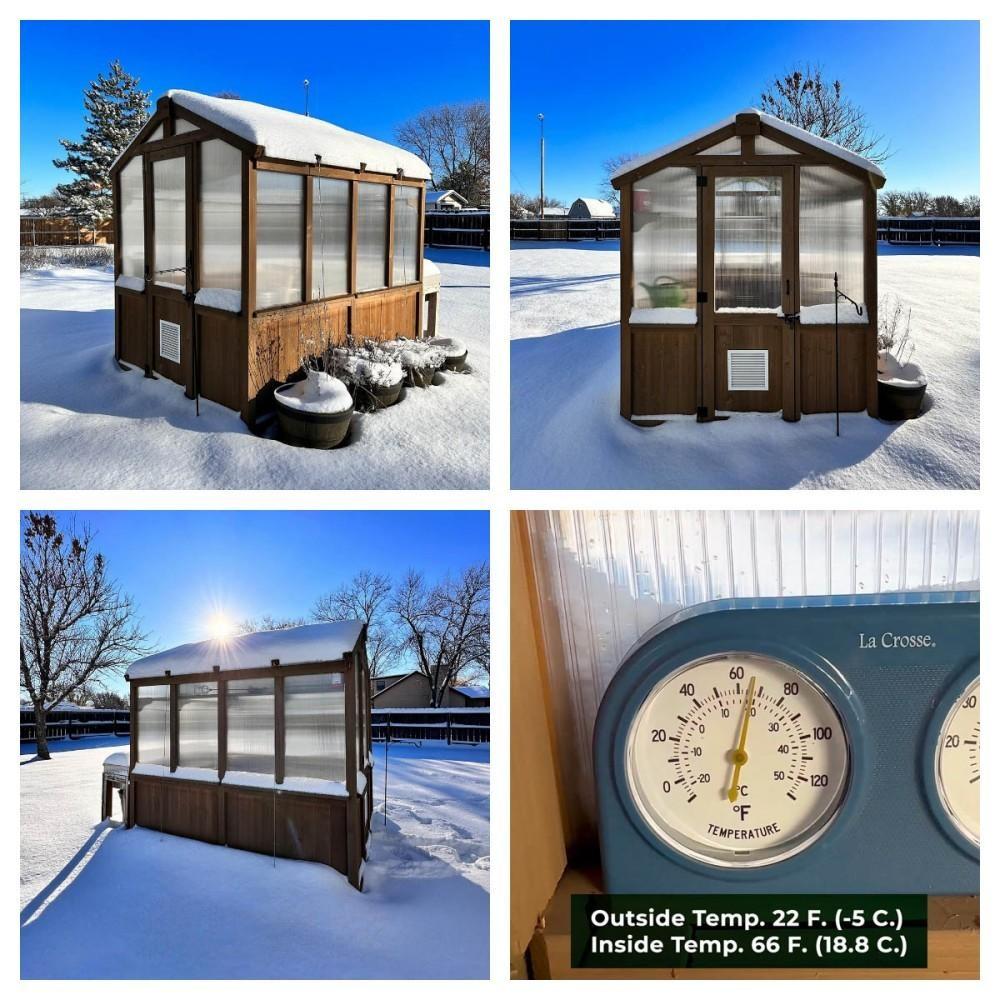
The service life of greenhouse projects in northern regions (usually expected to be 10-20 years) is directly linked to the quality of Polycarbonate Hollow Sheet, the covering material. Core quality indicators of Polycarbonate Hollow Sheet, such as raw material purity, coating process, and structural design, not only determine its own durability but also affect the overall structural stability and operation and maintenance costs of the greenhouse, making it the “cornerstone of service life” for greenhouse projects. The specific impacts on service life from the quality perspective are analyzed as follows:
I. Direct Correlation Between Core Quality Indicators and Greenhouse Service Life
1.1 Raw Material Purity: Determines the Basic Weather Resistance of the Sheet
Polycarbonate Hollow Sheet raw materials are divided into 100% new PC resin and recycled materials, with distinct performance differences reflected in the following table:
| Performance Indicator | High-Quality Polycarbonate Hollow Sheet (100% New PC Resin) | Inferior Polycarbonate Hollow Sheet (≥30% Recycled Materials) |
| Substrate Example | LANXESS ANTIFOG DP1 | Waste PC product regeneration |
| Molecular Structure | Stable | Severely broken molecular chains |
| Brittle Temperature | As low as -135℃ | Not specified (prone to embrittlement) |
| Low-Temperature Performance (-40℃) | No delamination or cracking | Prone to embrittlement, yellowing and cracking |
| Supported Greenhouse Service Life | 15-20 years | 3-5 years (forced replacement required) |
Practical Case Verification: A vegetable base in northern China built a greenhouse using recycled Polycarbonate Hollow Sheet in 2018, which collapsed on a large scale due to sheet embrittlement and cracking in the winter of 2022. In contrast, the greenhouse using new PC resin Polycarbonate Hollow Sheet in the same period is still operating stably.
1.2 UV Coating Quality: The “Protective Shield” Against Strong Ultraviolet Rays in Northern Regions
The annual average UV radiation in northern regions is 15%-20% higher than that in southern regions. The quality of UV coating directly affects the anti-aging performance of Polycarbonate Hollow Sheet:
| Coating Indicator | High-Quality Polycarbonate Hollow Sheet | Inferior Polycarbonate Hollow Sheet |
| Coating Type | Co-extruded UV coating | Post-sprayed thin UV layer |
| Coating Thickness | ≥50μ (e.g., BASF UV protectant from Germany) | <20μ |
| UV Blocking Rate | ≥99% (UVB ultraviolet rays) | Not specified (poor stability) |
| 5-Year Light Transmittance Retention Rate | ≥85% | <60% |
| Coating Durability | No peeling within 10 years | Peeling within 1-2 years |
| Replacement Cycle | ≥10 years (no need for replacement) | 3-4 years (overall replacement required) |
| Flexural Strength Change | Stable (maintains ≥90MPa) | Drops from 90MPa to <50MPa |
1.3 Structure and Sealing Process: Affect Snow Load Resistance and Anti-leakage Capacity
Northern regions experience heavy snowfall and frequent freeze-thaw cycles. The structural design and sealing quality of Polycarbonate Hollow Sheet are crucial for greenhouse risk resistance:
| Structural & Sealing Indicator | High-Quality Polycarbonate Hollow Sheet | Inferior Polycarbonate Hollow Sheet |
| Hollow Structure | Double-layer/triple-layer | Uneven hollow structure |
| Wall Thickness | Uniform (≥1.5mm) | Uneven (local <1mm) |
| Rib Spacing | ≤10cm (reasonable distribution) | Sparse (unreasonable distribution) |
| Snow Load Resistance | 30-50kg/㎡ (equivalent to 20cm thick snow) | <15kg/㎡ (deforms and collapses when exceeded) |
| Sealant Type | Low-temperature resistant silicone sealant | Ordinary rubber sealant |
| Sealant Temperature Resistance | -50℃ to 150℃ | Poor (hardens and cracks at low temperatures) |
| Anti-leakage Performance | No water seepage or ice damage | Water seepage occurs within 3-5 years |
| Impact on Steel Structure | No corrosion | Corrodes greenhouse steel structure |
II. Three “Fatal Problems” Caused by Inferior Polycarbonate Hollow Sheet Shortening Greenhouse Service Life
2.1 Low-Temperature Embrittlement: Triggering Chain Damage to the Greenhouse Structure
| Impact Item | Specific Data & Consequences |
| Trigger Condition | Northern winter low temperature (<-20℃) |
| Direct Damage | Sheet edge cracking, snow seepage and freezing expansion |
| Secondary Hazard | Greenhouse steel structure deformation (domino effect) |
| Final Result | Greenhouse collapse, service life shortened to 3-5 years |
2.2 Frequent Replacement: Increasing Greenhouse Operation and Maintenance Costs and Structural Loss
| Cost & Loss Item | Specific Data |
| Replacement Cycle | Every 3-5 years (full replacement) |
| Material & Installation Cost | 150-200 yuan/㎡ per replacement |
| Structural Damage | 1. Damage to steel structure connectors during disassembly2. Residual sealant affecting new sheet bonding |
| Long-Term Risk | Vicious circle of “replacement – loss – re-replacement” |
2.3 Performance Attenuation: Indirectly Reducing the Economic Life of the Greenhouse
| Performance Item | Attenuation Data | Economic Impact |
| Light Transmittance | Drops from 80% to <60% within 1-2 years | Insufficient crop photosynthesis, 30% yield reduction |
| Thermal Insulation | Poor (no specific data) | Winter heating energy consumption increased by 40% |
| Final Outcome | Greenhouse eliminated in advance, project abandoned due to losses |
III. Practical Paths to Extend Greenhouse Service Life with High-Quality Polycarbonate Hollow Sheet
3.1 Quality Selection: Locking in the “Longevity Genes”
| Quality Certification Item | Test Requirements |
| Raw Material Test Report | Confirm 100% new PC resin (require raw material procurement certificates) |
| UV Coating Test | Pass UV aging test (simulate 5 years of northern UV irradiation), no coating peeling or significant yellowing |
| Low-Temperature Performance Test | After 20 freeze-thaw cycles at -30℃: 1. No cracks2. Flexural strength retention rate ≥90% |
3.2 Supporting Processes: Maximizing Quality Value
High-quality Polycarbonate Hollow Sheet needs to be matched with installation processes suitable for the northern environment to give full play to its service life advantages:
- The bracket spacing is designed according to the maximum snow load grade of the sheet (e.g., the bracket spacing for double-layer 8mm Polycarbonate Hollow Sheet is ≤1.2m), avoiding wasting sheet performance due to insufficient structural support;
- Before winter installation, place the Polycarbonate Hollow Sheet in the shed for 24 hours to “regain temperature”, avoiding damage caused by thermal expansion and contraction of low-temperature sheets after direct installation, and ensuring the coordinated durability of the sheet and structure.
3.3 Regular Maintenance: Extending the “Tail of Service Life”
Even high-quality Polycarbonate Hollow Sheet requires maintenance to extend the overall service life of the greenhouse:
- After sandstorms every spring, clean the sheet surface with neutral detergent to remove sand and mold, avoiding coating wear;
- Inspect the integrity of the UV coating every 5 years, and touch up locally worn areas with special UV repair agents, which can extend the sheet service life by 3-5 years.
IV. Conclusion: Polycarbonate Hollow Sheet Quality is the Core of “Service Life Investment” for Greenhouse Projects
The service life of greenhouse projects in northern regions is not determined by the steel structure (which can usually last more than 20 years) but is limited by the quality of Polycarbonate Hollow Sheet. The investment and benefit comparison between high-quality and inferior products is as follows:
| Investment & Benefit Item | High-Quality Polycarbonate Hollow Sheet | Inferior Polycarbonate Hollow Sheet |
| Initial Investment | 30% higher than inferior sheets | Low initial cost |
| Greenhouse Service Life | 15-20 years (3-4 times longer) | 3-5 years (premature aging) |
| Annual Average Cost | Reduced by 60% | High long-term comprehensive cost |
| Overall Outcome | Cost-effective, long-term stable operation | More losses than gains, project failure |
Therefore, the quality of Polycarbonate Hollow Sheet is not only a material issue but also a “key variable” determining the long-term value of greenhouse projects in northern regions.