Anti-Fog Polycarbonate Sheet: Applications, Advantages and Disadvantages in Greenhouses
Analysis of Anti-Fog Polycarbonate Sheets for Greenhouse Utilization
Anti-fog polycarbonate sheets (hollow PC panels equipped with hydrophilic anti-fog coating) are special covering materials developed for greenhouses operating under high humidity and large diurnal temperature differences. Formulated to resolve surface fogging issues common to conventional polycarbonate sheets via advanced coating technology, they have become a mainstream cladding choice for greenhouses cultivating high-value flowers, fruits and vegetables. This paper delivers a comprehensive analysis covering applicable scenarios, core benefits, practical limitations and optimization recommendations.
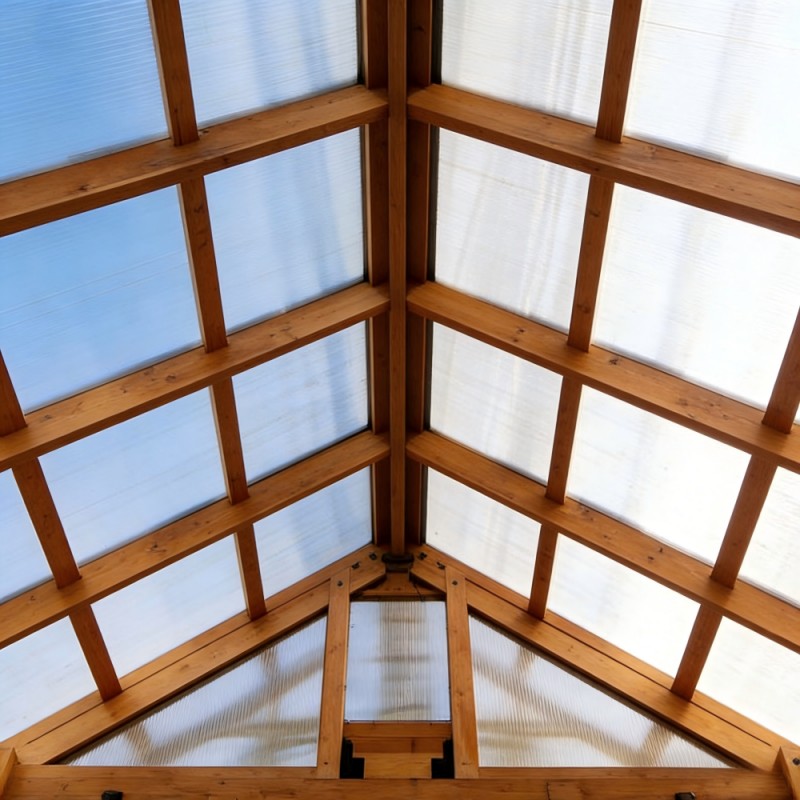
1. Core Application Scenarios of Anti-Fog Polycarbonate Sheets
Anti-fog polycarbonate sheets deliver the greatest value in greenhouse environments characterised by high relative humidity and stringent light quality requirements. Three primary applicable scenarios are outlined below:
1.1 Greenhouses for Humidity-Demanding Crops
Orchids, anthuriums, leafy greens (lettuce, spinach), edible fungi and other crops require stable ambient humidity maintained between 75% and 95% within greenhouse structures. Significant diurnal temperature swings readily trigger water vapour condensation and fog formation on panel inner surfaces.
Featuring a hydrophilic coating, anti-fog polycarbonate sheets spread condensed droplets into a continuous, uniform water film (contact angle ≤30°), which flows down along panels into drainage gutters. This avoids light obstruction caused by fog — fog accumulation can reduce the light transmittance of standard polycarbonate sheets by 30%–50%. Sufficient photosynthetically active radiation (PAR) is secured to support crop photosynthesis.
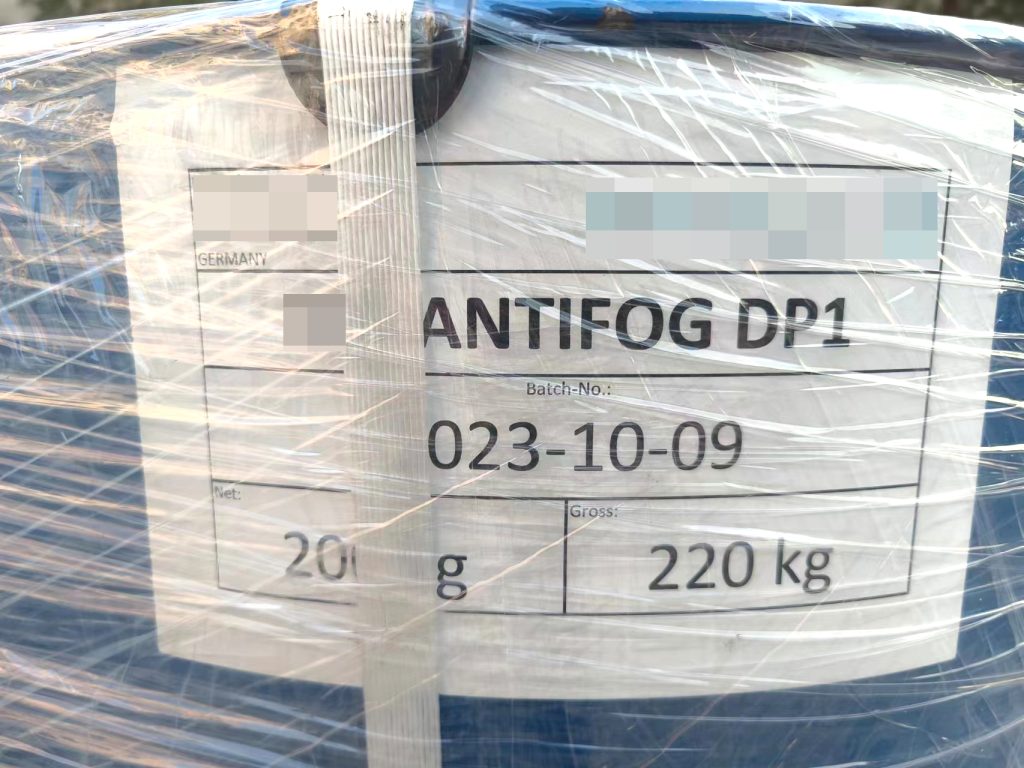
For example, commercial orchid greenhouses adopting Lanxess ANTIFOG DP1 anti-fog polycarbonate sheets maintain light transmittance retention above 85% during cold seasons. The flowering cycle shortens by 5–7 days, while the proportion of premium-grade blooms increases by 15%.
1.2 Low-Temperature Greenhouses in High-Latitude & High-Altitude Regions
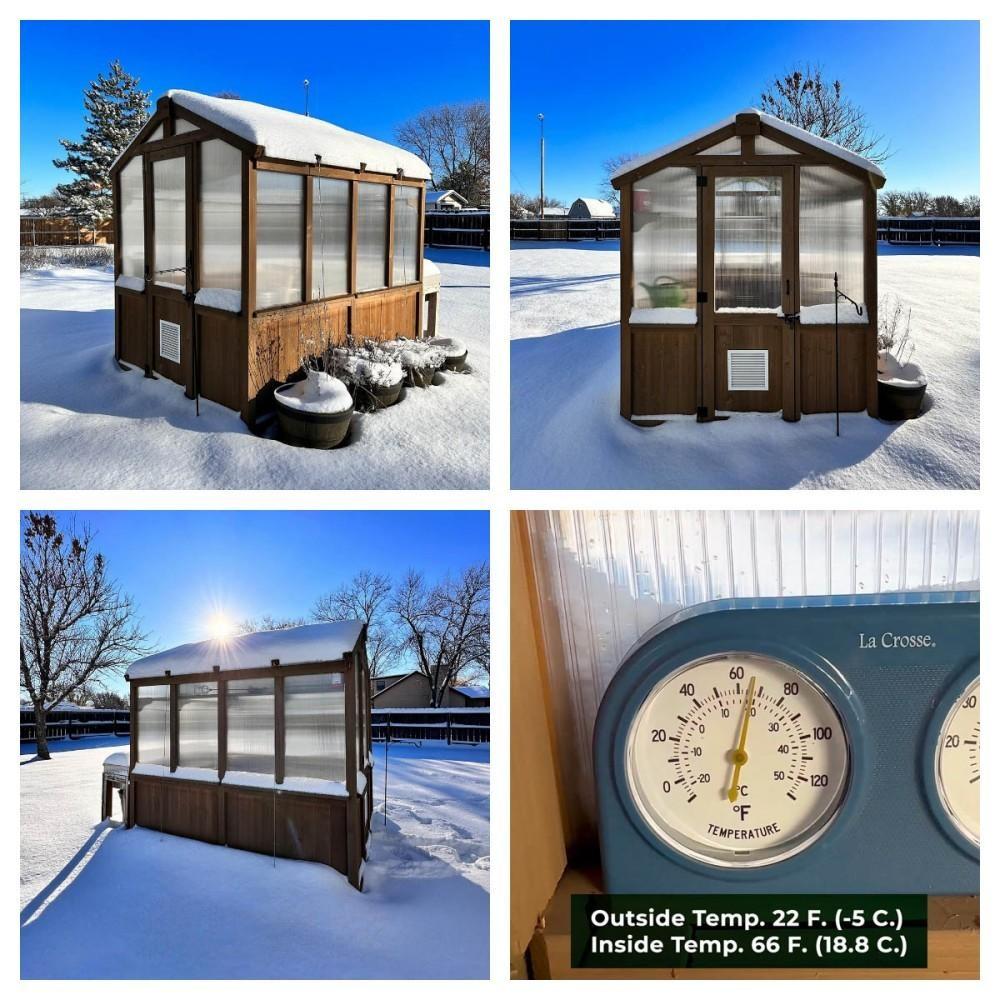
In high-latitude temperate zones and high-altitude continental plateaus, diurnal temperature fluctuations inside greenhouses can reach 15–20°C. During cold seasons, internal temperatures often fall below 10°C, causing water vapour to condense into fog and even ice on the inner surface of covering panels.
The anti-fog coating on premium panels exhibits outstanding low-temperature stability, reliably performing within a temperature range of -40°C to 120°C. Hydrophilic functionality remains intact even under extreme lows of -30°C, preventing panel cracking induced by frozen condensate. Meanwhile, the hollow structure delivers effective thermal insulation (thermal conductivity: 0.16–0.20 W/(m·K)), minimising internal heat loss. The combination of thermal insulation and anti-fog performance meets the demands of seedling propagation and off-season vegetable cultivation in cold climate zones.
1.3 Precisely Managed Commercial & Research Greenhouses
Commercial agricultural parks and research greenhouse facilities demand precise closed-loop control over temperature, light intensity, humidity, fertilisation and other environmental parameters. Anti-fog polycarbonate sheets eliminate sensor interference triggered by dripping condensate, preventing distorted local humidity readings. When integrated with automated greenhouse systems (roof ventilators, exhaust fans), the streaming water film can be collected and recycled, lowering the incidence of humidity-driven plant diseases. Field data indicates that reduced droplet fallout can cut foliar disease occurrence by 40%. These panels are well suited for precision cultivation of high-value crops including strawberries and cherries.
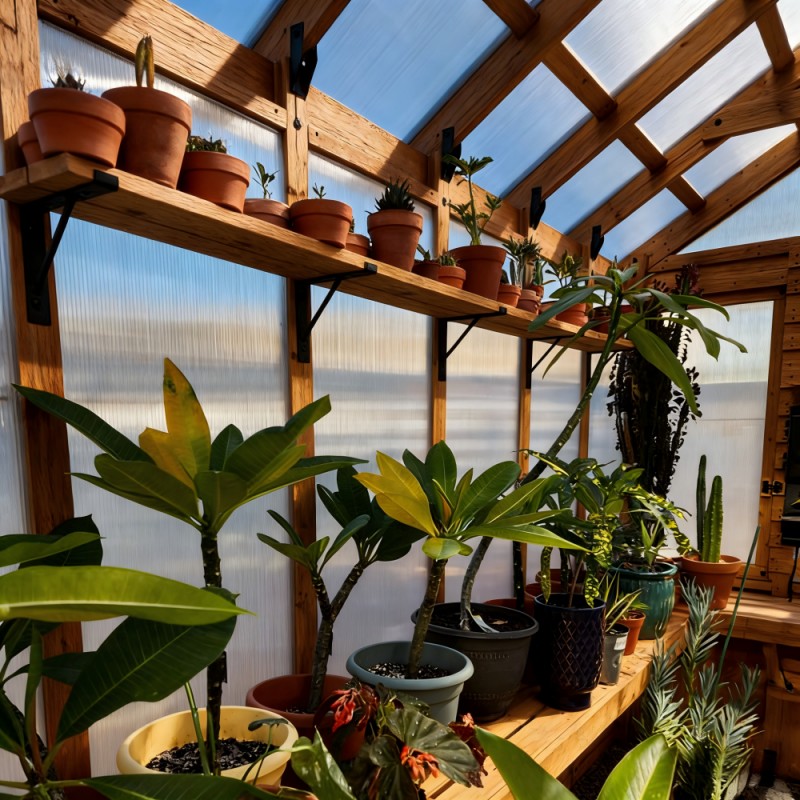
2. Core Advantages of Anti-Fog Polycarbonate Sheets in Greenhouse Projects
Compared with ordinary polycarbonate sheets and glass, anti-fog polycarbonate sheets provide four irreplaceable benefits for greenhouse applications:
2.1 Stable Light Transmittance Sustains Crop Photosynthesis
Standard polycarbonate sheets develop fog within 1–2 hours under high-humidity conditions, with light transmittance plummeting from 80% to below 50%. Enabled by a dual anti-fog mechanism (hydrophilic resin + nano dispersant), anti-fog polycarbonate sheets remain fog-free under sustained 95% relative humidity. After five years of service, they retain over 80% of their original light transmittance, compared with just 60% for conventional polycarbonate sheets.
As observed in commercial tomato greenhouses within temperate continental climate zones: facilities equipped with anti-fog polycarbonate sheets extend the daily photosynthesis window of tomato plants by 1.5 hours. Each plant yields an additional 2–3 fruits, lifting field output by 15%–20%.
2.2 Humidity Regulation Reduces Disease Pressure and Operational Energy Consumption
Directional drainage of continuous water films prevents leaf wetting caused by falling condensate droplets. Under fogging conditions, conventional polycarbonate sheets may generate 0.5–1 litres of dripping water per square metre daily, stimulating outbreaks of downy mildew, grey mould and other moisture-related pathogens. Deployment of anti-fog sheets can reduce pesticide application volumes by over 30%.
Furthermore, collected condensate can supplement irrigation supplies. Greenhouses situated in arid climate zones can recover 10%–15% of irrigation water demand, lowering freshwater consumption and supporting sustainable water-saving agriculture.
2.3 Weather Resistance Adaptable to Harsh Greenhouse Microclimates
High-grade anti-fog polycarbonate sheets (e.g. Lanxess ANTIFOG DP1) utilise co-extrusion processing for anti-fog and UV protective coatings. Coating adhesion is three times greater than that of post-spray alternatives. The panels withstand recurring humidity cycling (75%–95% RH) inside greenhouses and routine cleaning with high-pressure water jets, with coating delamination rates below 5%. By contrast, post-applied anti-fog coatings suffer up to 30% peeling within the first year of operation.
In addition, antibacterial additives are incorporated into the coating matrix to suppress algae and mould proliferation, avoiding light transmittance degradation from biological surface fouling. These characteristics make the panels suitable for long-term service in persistently high-humidity greenhouse environments.
2.4 Balanced Total Cost of Ownership
Anti-fog polycarbonate sheets weigh only 1/12 of equivalent glass panels, reducing greenhouse framing costs by 40% and shortening installation timelines by 30%. Although anti-fog polycarbonate sheets carry an upfront cost premium of 20%–30% versus standard polycarbonate sheets, they mitigate yield losses stemming from insufficient illumination. The service life reaches 12–15 years, 3–5 years longer than ordinary polycarbonate sheets (8–10 years). From a long-term operational perspective, overall comprehensive costs decrease by approximately 25%.
3. Limitations of Anti-Fog Polycarbonate Sheets in Greenhouse Deployment
Despite notable strengths, three key constraints must be considered for practical implementation, which can be mitigated through appropriate material selection and installation standards.
3.1 Performance Dependence on Surface Coatings; Low-Grade Products Experience Rapid Degradation
Anti-fog functionality is entirely reliant on the surface coating system. Budget, inferior anti-fog polycarbonate sheets utilising basic surfactant coatings lose anti-fog capacity within 1–2 years due to coating ageing. In severe cases, flaking coating material may contaminate crops.
One commercial flower-growing facility installed low-quality anti-fog panels. Within two years, coating failure triggered widespread fogging, leading to leaf yellowing among orchids and substantial financial losses.
3.2 Strict Installation Specifications Directly Impact Anti-Fog Performance
Installation slope must be strictly controlled: 5°–10° for greenhouses in cold climate zones, and 3°–5° for regions with warm, humid climates. Insufficient gradient impedes proper water film runoff, resulting in standing water at the base of panels and subsequent mould colonisation.
Additionally, weather-resistant silicone sealant must be applied at all panel joints. Poor sealing allows water ingress into the hollow core structure, damaging anti-fog coatings, causing localised fogging and increasing maintenance overheads.
3.3 Higher Upfront Capital Investment
Anti-fog polycarbonate sheets require larger initial investment. For greenhouses cultivating low-value field vegetables (cucumbers, aubergines), the performance specifications may exceed practical requirements. Growers should evaluate cost-effectiveness based on the economic value of target crops and avoid indiscriminate specification selection.
4. Material Selection & Application Optimisation Guidelines for Anti-Fog Polycarbonate Sheets
To maximise the functional performance of anti-fog polycarbonate sheets, optimisation measures cover material selection, installation and ongoing maintenance.
4.1 Core Selection Criteria: Prioritise Durable Anti-Fog Coating Systems
- 1. Specify co-extruded anti-fog sheets rather than post-sprayed variants; request coating adhesion test reports (minimum 4B rating via cross-cut test).
- 2. Verify anti-fog durability data. Select products passing 1000-hour high-humidity cycle testing (75%–95% RH, temperature cycling between -10°C and 30°C) to guarantee consistent anti-fog performance.
- 3. Match panel specifications to local climate: frost-modified anti-fog sheets (brittleness temperature ≤ -40°C) for cold climate zones; high-temperature resistant sheets (continuous heat resistance ≥120°C) for tropical and subtropical regions.
4.2 Installation Optimisation to Fully Realise Anti-Fog Functionality
- 1. Enforce minimum installation slopes: at least 8° for snow-prone cold regions to facilitate both snow shedding and water film runoff; minimum 5° for rainy warm climate zones.
- 2. Select compatible sealing materials: low-temperature resistant silicone sealant (-50°C ~150°C) for cold areas; zero-grade mould-resistant silicone sealant for humid warm regions. Ordinary rubber sealants should be avoided.
- 3. Integrate dedicated drainage channels. Install drainage gutters beneath panels to direct flowing water film outside the greenhouse or into recycling systems, preventing standing water and mould growth.
4.3 Maintenance Protocols to Extend Anti-Fog Coating Service Life
- 1. Scheduled cleaning: Clean panels quarterly using neutral detergent (diluted dish soap solution) to remove dust and mould. Acidic or alkaline cleaners are prohibited, as they degrade surface coatings.
- 2. Coating remediation: Apply dedicated anti-fog repair fluid (e.g. Lanxess ANTIFOG repair agent) when local coating abrasion appears, to prevent further damage spreading.
- 3. Periodic performance inspection: Check anti-fog effectiveness prior to cold seasons and after dry, windy seasons. Replace damaged panels immediately once localised fogging occurs, to avoid system-wide light reduction.
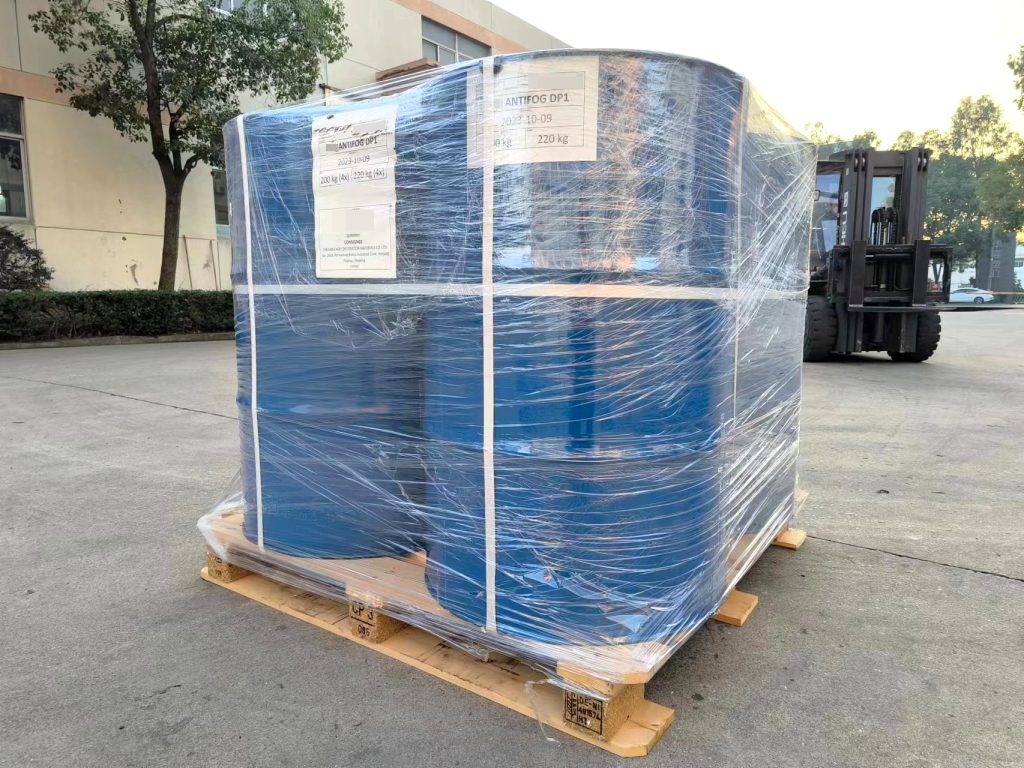
5. Conclusion: Applicable Scope and Value Positioning of Anti-Fog Polycarbonate Sheets
Anti-fog polycarbonate sheets are not a universal solution for all greenhouse operations. Their core value concentrates on applications combining high humidity, high-value crops and demanding standards for stable light transmission, including flower greenhouses, strawberry cultivation facilities and research greenhouses. For conventional vegetable greenhouses growing crops such as celery and cabbages with low light sensitivity and limited commercial value, standard polycarbonate sheets or glass remain more cost-effective alternatives.
Overall, anti-fog polycarbonate sheets address the pervasive fogging challenge within greenhouses, delivering a growing environment characterised by stable light transmittance and controllable humidity for high-value crop production. They constitute a vital cladding material supporting refined, high-yield controlled environment agriculture, and demonstrate exceptional practical value particularly in cold, high-humidity greenhouse operations within high-latitude and high-altitude zones worldwide.