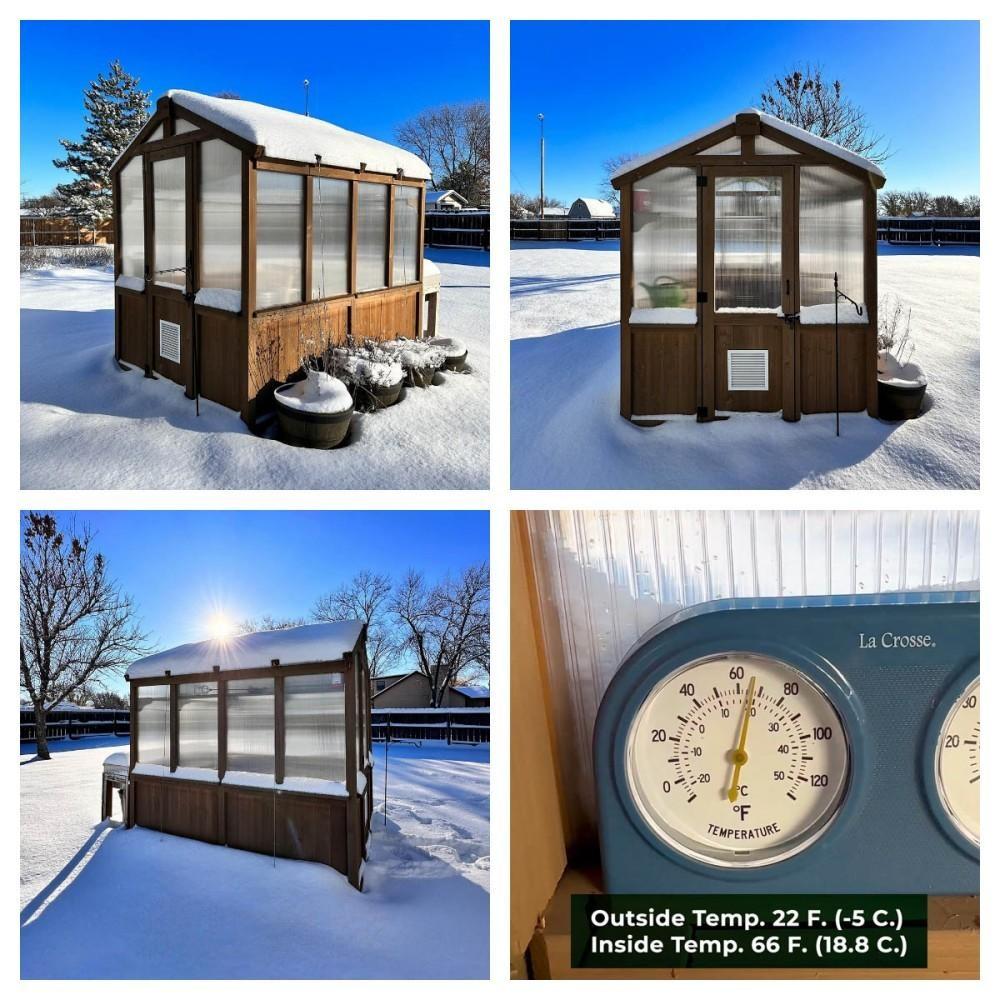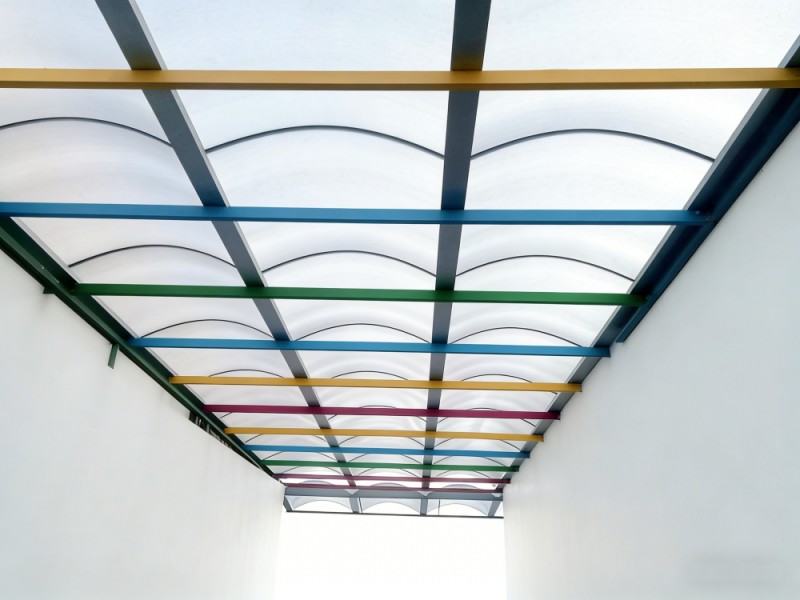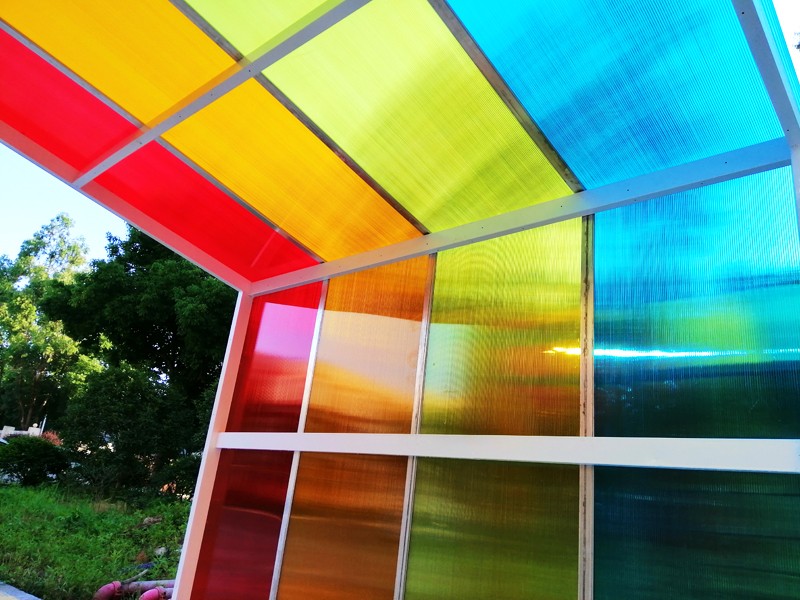
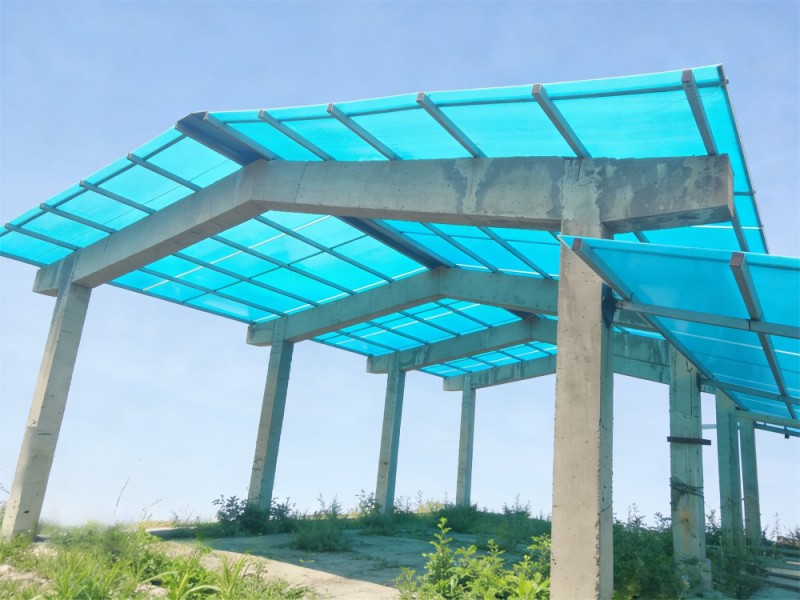
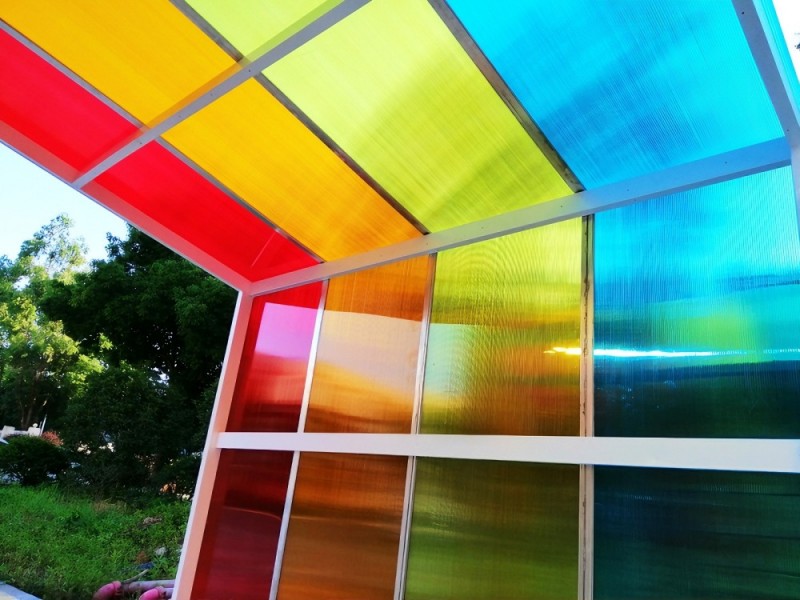
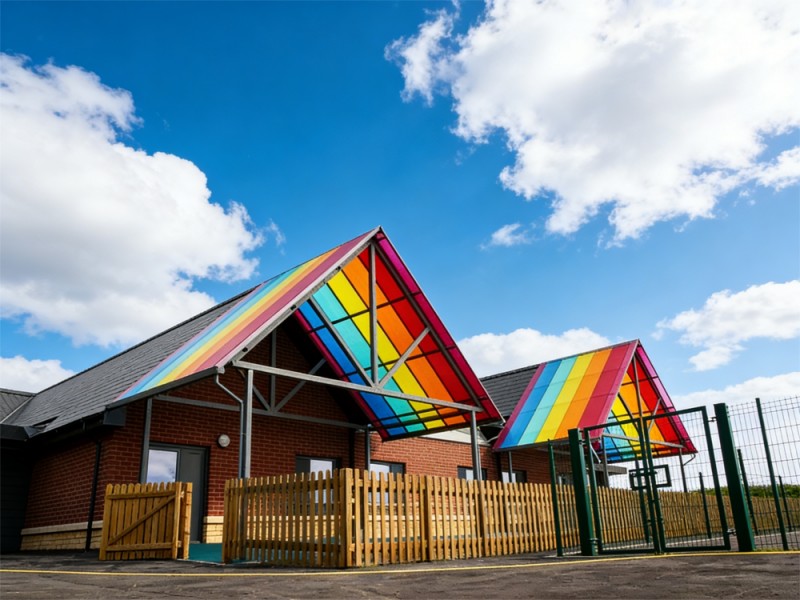
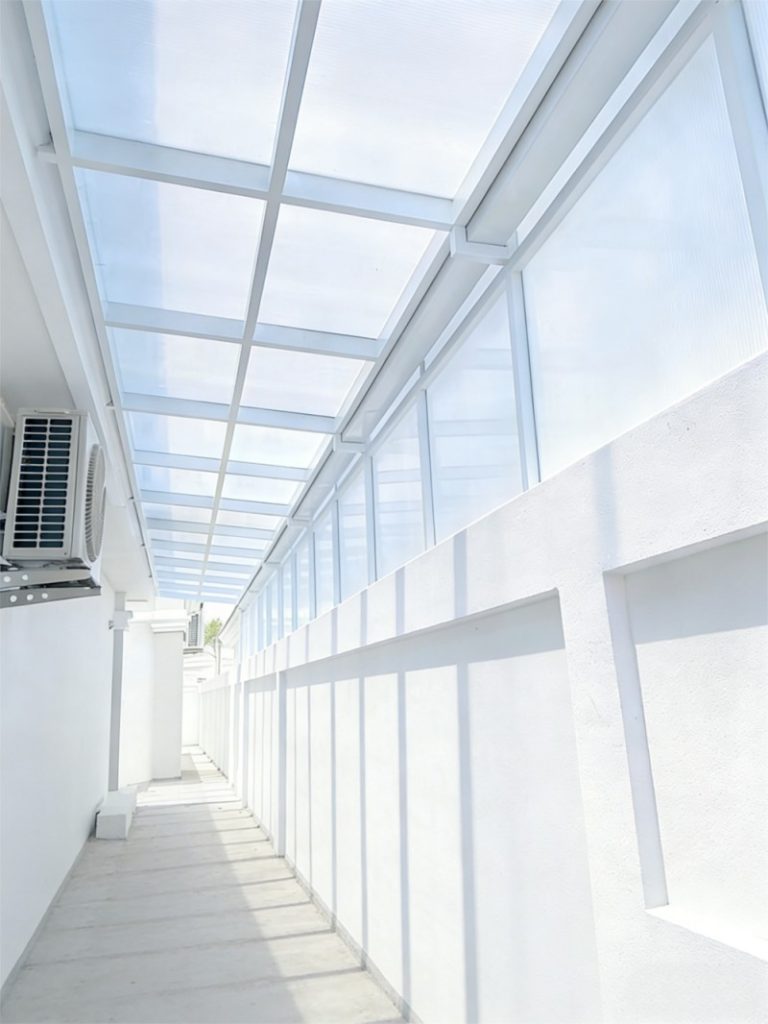
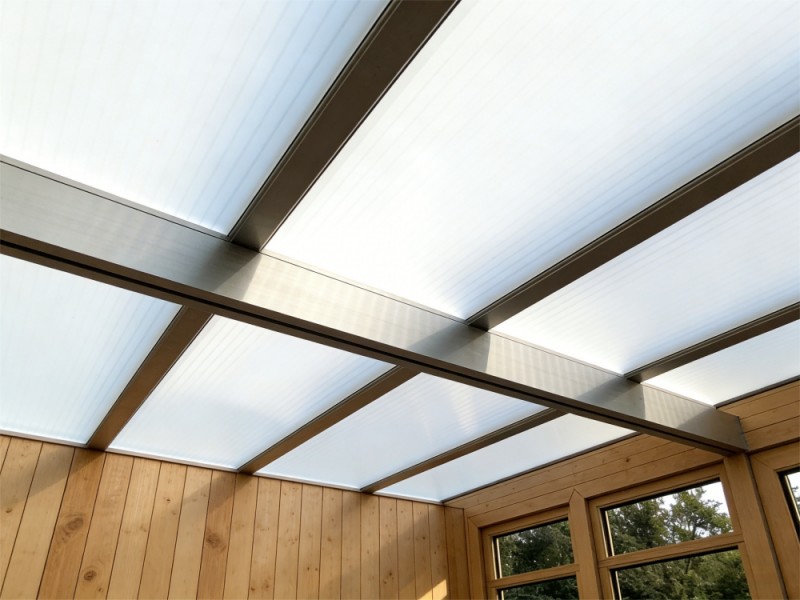
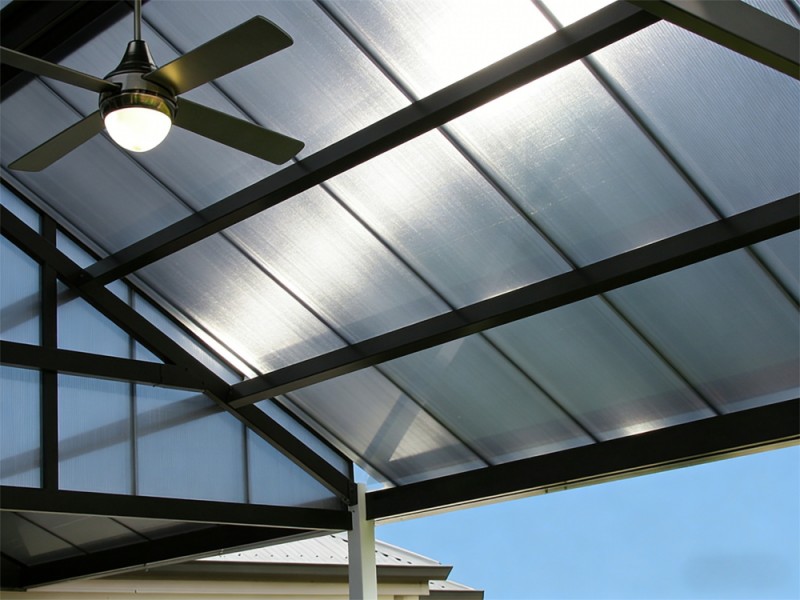
With the improvement of people’s living standards, architectural sunshade and rain shelters have emerged as a new type of building structure and are increasingly adopted by households. If you have terraces, windowsills or vacant spaces at home and want to enjoy sunlight without being affected by changing weather conditions, and you worry that constructing a sunroom involves excessive hassle and high costs, building a shelter with polycarbonate sheets will be an ideal alternative. Serving as a transitional space between the outdoors and indoor living areas, shelters made of polycarbonate sheets deliver excellent buffer effects. Such shelters generally consist of a roof panel and supporting frames, creating great spaces for drying laundry, planting flowers and leisure activities.
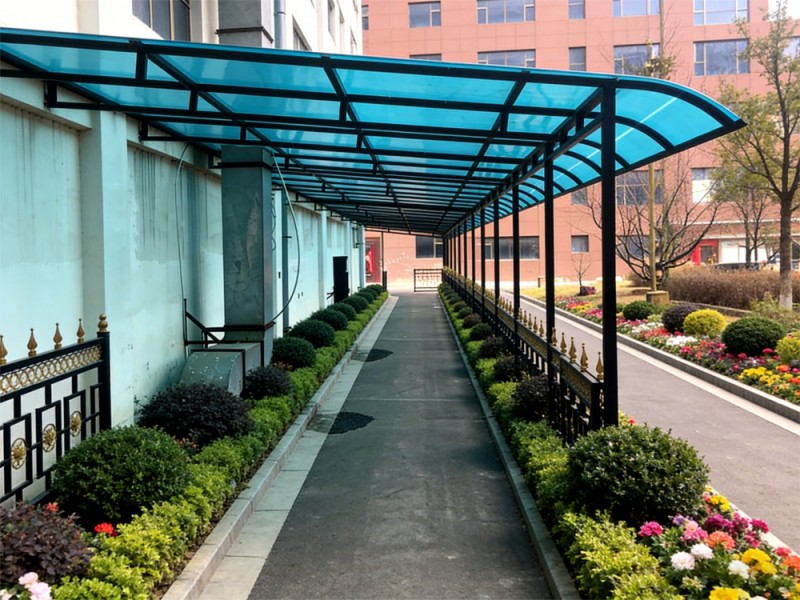
According to installation locations, shelters with polycarbonate sheets are classified into terrace shelters, car shelters, courtyard shelters and other types.
- 1. Shelters built with polycarbonate sheets can block wind and rain, making them perfect places to dry clothes. Clothes racks can be installed underneath for laundry drying, sheltering garments from wind and rainfall. You no longer need to worry about sudden rain when you are out.
- 2. Ultraviolet rays in sunlight can cause severe damage to flooring, walls, curtains and other furnishings. Installing a shelter made of polycarbonate sheets can isolate and absorb ultraviolet radiation, preventing ageing and fading of indoor decorations.
- 3. The polycarbonate sheet shelter can resist wind and rain and shield against ultraviolet rays, boasting a wide range of applications. Its roof provides sunshade, blocking intense summer sunlight and restraining indoor temperature rises.
Constructing a courtyard shelter with polycarbonate sheets is relatively straightforward yet requires careful attention to details. Below is a basic construction guideline:
I. Pre-construction Preparation
- 1. Measurement and Planning
- • First, measure the dimensions of the courtyard to confirm the size and position of the shelter.
- • Plan the inclination angle of the shelter to ensure smooth rainwater drainage.
- 2. Material Preparation
- • Polycarbonate sheets: Select weather-resistant polycarbonate sheets with good light transmittance and cut them according to measured dimensions.
- • Frame materials: Aluminium alloy or stainless steel are commonly used for frames to guarantee structural stability and durability.
- • Connectors and fasteners: including screws, self-drilling screws, angle aluminium, EPDM pressure strips, etc.
II. Construction Procedures
- 1. Frame Installation
- • Mount the frame in the planned position and size. Ensure the frame is flat, stable and free of welding scars and burrs.
- • Secure frame components with connectors to maintain overall structural stability.
- 2. Laying Waterproof Tapes
- • Lay butyl waterproof tapes on both sides of the frame to form small water troughs and prevent rainwater seepage.
- 3. Placing Polycarbonate Sheets
- • Lay the cut polycarbonate sheets onto the frame. Leave expansion gaps between adjacent sheets to accommodate thermal expansion and contraction.
- 4. Fastening Polycarbonate Sheets
- • Place EPDM pressure strips over the joints of sheets and fasten them with screws or self-drilling screws.
- • A supporting frame must be installed and fixed with screws at every 1.05 metres along the width of polycarbonate sheets to enhance structural stability.
- 5. Edge Sealing Treatment
- • Polycarbonate sheets shall not make direct contact with walls. Fix angle aluminium onto the wall first, then insert the polycarbonate sheets into place.
- • Seal the edges of polycarbonate sheets with aluminium foil tape first, then install edge trims or angle aluminium for fixation.
III. Inspection and Adjustment
- 1. Inspection of Installation Quality
- • Check whether the cutting sizes and reserved gaps of sheets are appropriate, ensuring uniform and sufficient expansion clearance.
- • Verify all fasteners are tightly fastened to secure the whole structure.
- 2. Fine-tuning
- • Adjust the inclination angle and position of polycarbonate sheets as required to guarantee smooth rainwater drainage.
- • Check whether waterproof tapes and edge sealing are tightly fitted to avoid rain leakage.
IV. Important Notes
- 1. Safe Construction
- • Wear safety helmets, gloves and other protective gear during construction to guarantee work safety.
- 2. Material Protection
- • Avoid scratching the surface of polycarbonate sheets with hard objects during installation to preserve appearance and service life.
- 3. Quality Acceptance
- • Complete quality inspection after installation to confirm the shelter meets design standards and usage requirements.
Following the above procedures, you can build a stable, attractive and practical courtyard shelter with polycarbonate sheets. Feel free to contact us if you encounter any difficulties during construction or need further support.